
How to combine colors in an outfit
Color can completely change the character of an outfit. The same silhouette in black can feel calm and minimal, while a brighter version can become the strongest part of the entire look. You do not need complicated color theory - a few simple approaches and some experimenting are enough.
In this guide
- Start with one color
- Use a neutral base
- Repeat a color somewhere else
- Combine different shades of the same color
- Do not be afraid of contrast
- Think about how much of each color you use
- Patterns already give you a color palette
- Fabric changes the way a color feels
- You do not need to know your “color season”
- If something feels wrong, change just one color
- A simple way to build an outfit palette
- Take inspiration from the color combination, not the exact clothes
Start with one color
If you do not know where to begin, choose one colored piece to lead the outfit. It might be a shirt, sweater, trousers, jacket, bag or pair of shoes.
Once you have your main color, it becomes easier to decide whether the rest of the outfit should calm it down, complement it or create a stronger contrast. You could pair a red sweater with denim and neutral accessories, or let bright sneakers become the only strong color in an otherwise simple look. You do not have to add several bold shades at once.
Outfits built around one dominant color.
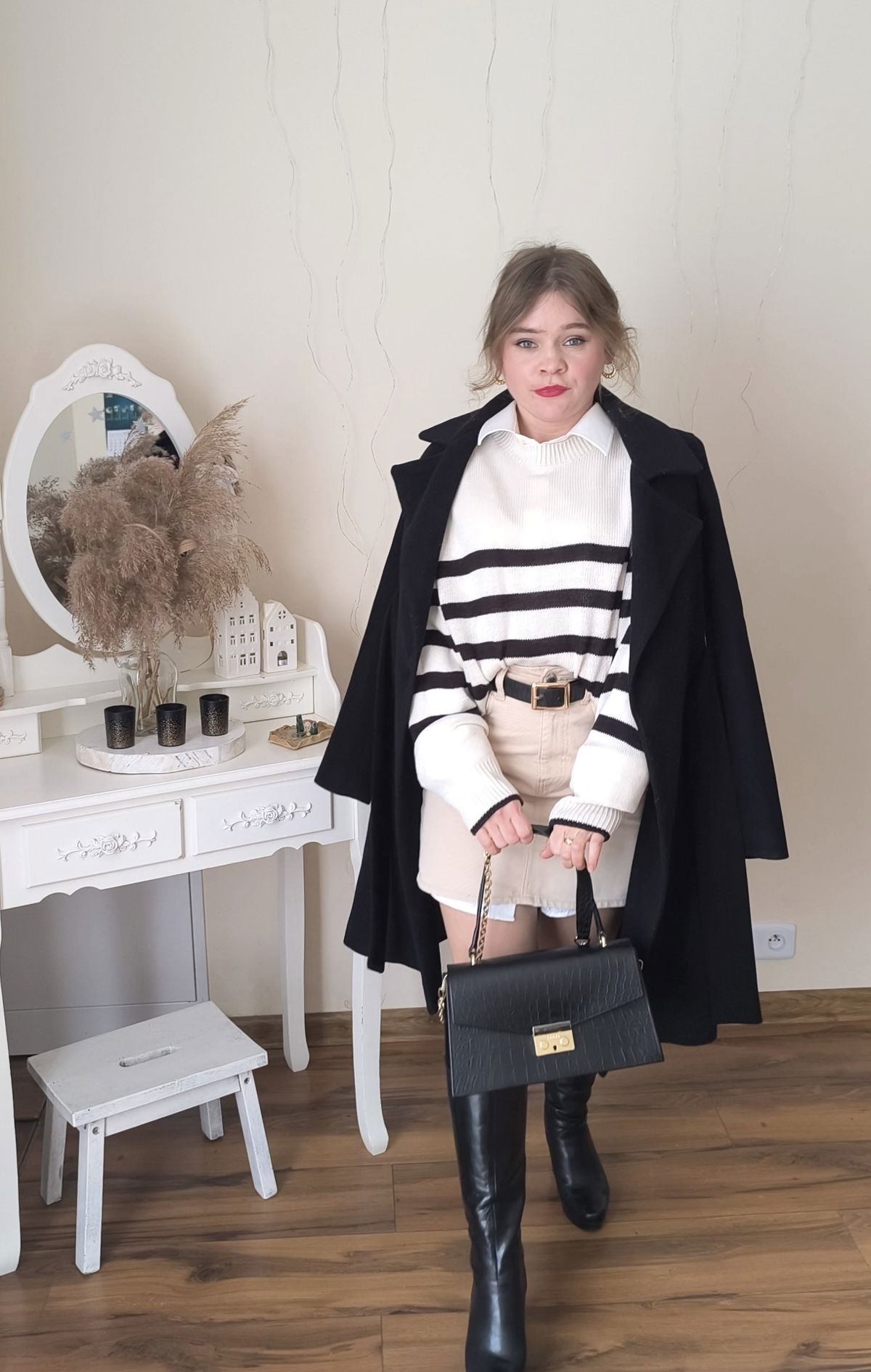
Insomniaa92
@insomniaa92
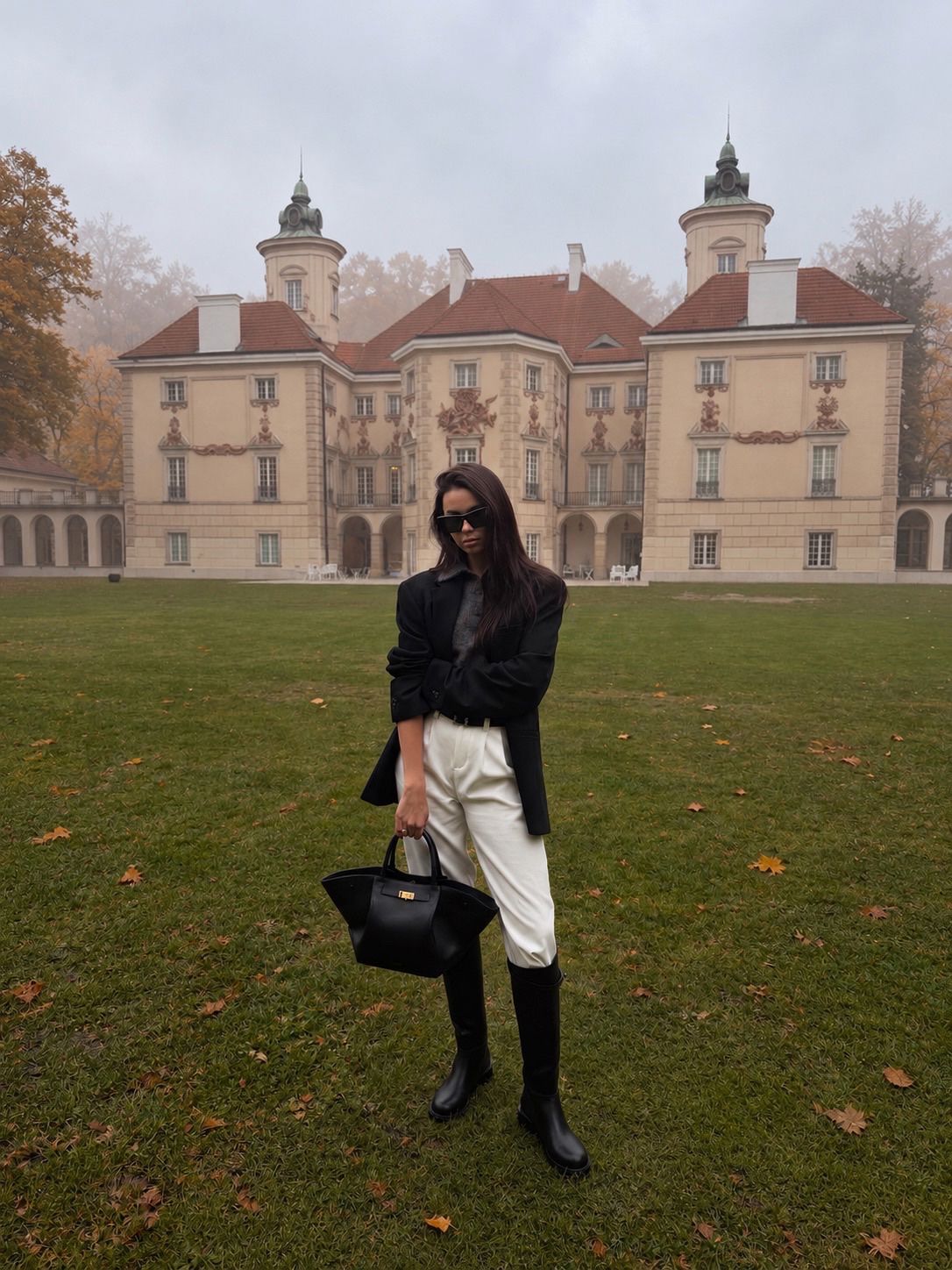
Klasyka na jesień
@ivankaillina
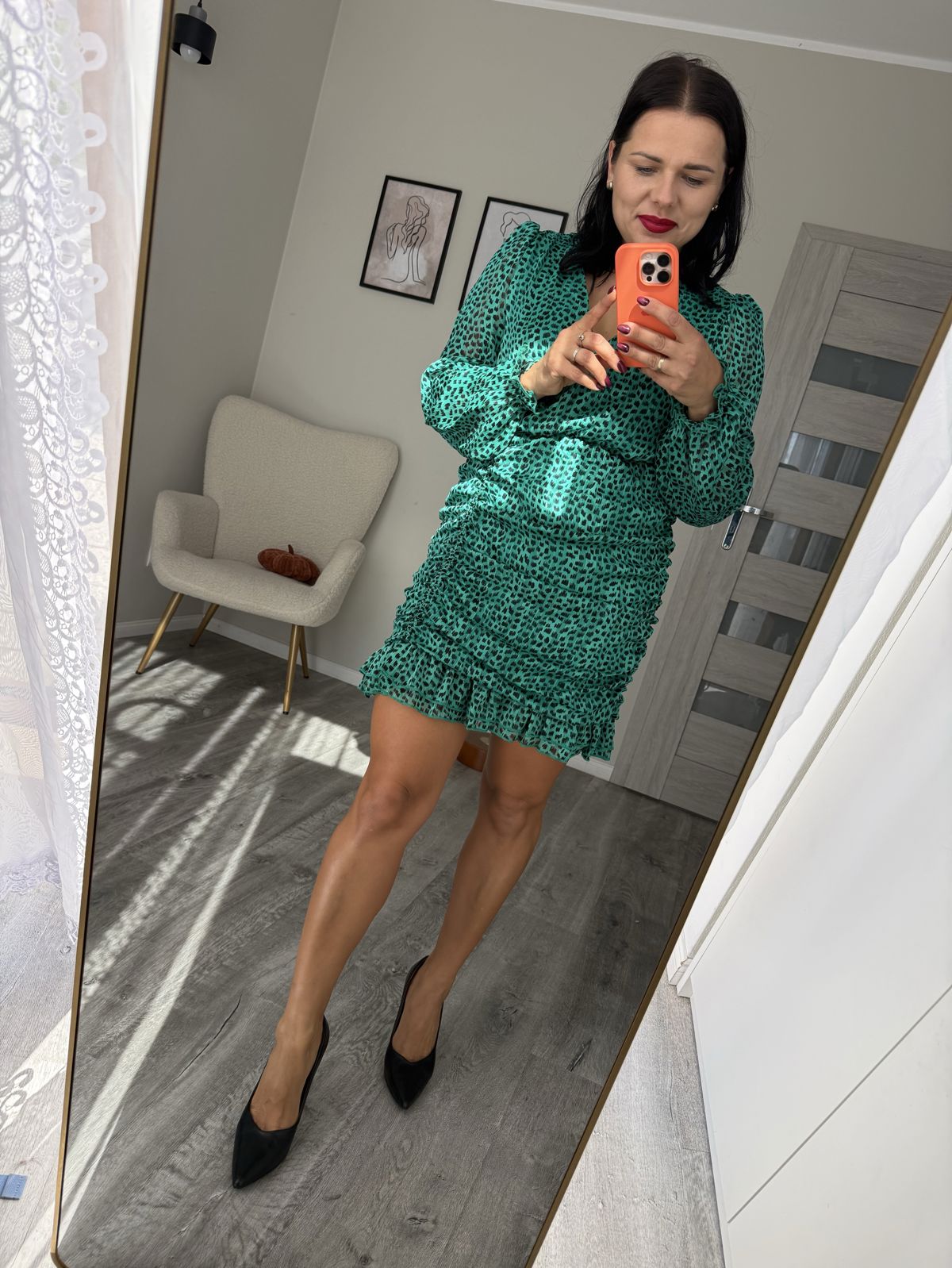
Stylizacja na wyjście
@sabina.stylizuje
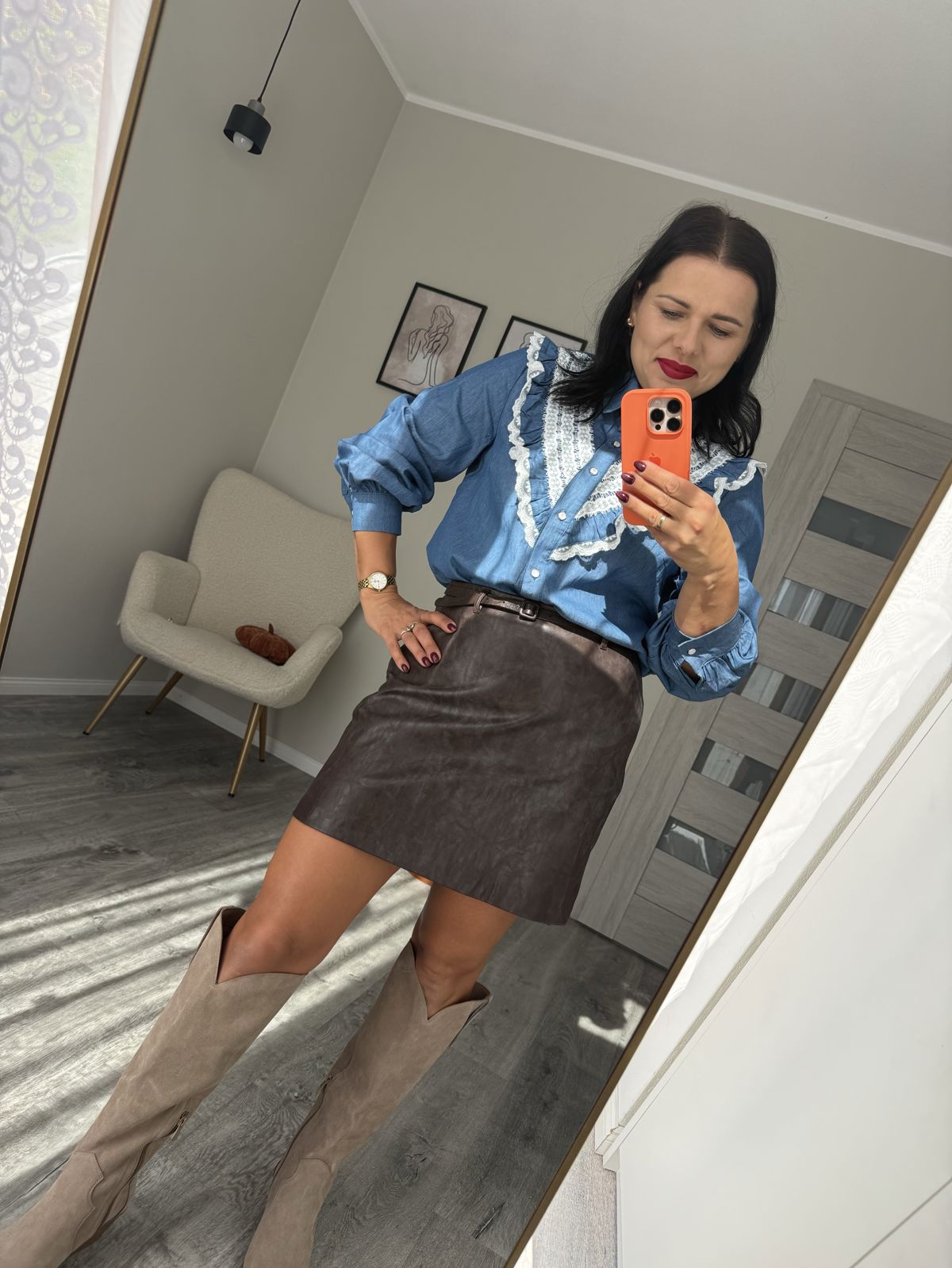
Stylizacja na spotkanie
@sabina.stylizuje
Use a neutral base
White, black, grey, beige, navy, brown and denim are useful starting points because they work with many other colors. A neutral base does not have to mean a boring outfit.
Simple jeans, a white top and black blazer can feel completely different with a red bag, green sneakers or colorful jewelry. Neutral pieces are particularly useful when you want to introduce a stronger shade but are not sure what to pair it with.
Repeat a color somewhere else
One of the simplest ways to make an outfit feel connected is to repeat the same or a similar color in another part of the look. It does not need to be exactly the same shade.
The color of your shoes might appear again in your bag, in the pattern of your shirt, in your jewelry or in a small detail on your jacket. That repetition can make different parts of the outfit feel more connected. Keep it subtle - sometimes one small echo is enough.
Combine different shades of the same color
An outfit does not have to rely on strong contrast. You can build it using several shades from the same color family. Light beige, caramel and dark brown can create a soft tonal outfit; the same applies to light blue, denim and navy, or pale grey with charcoal.
This often makes a look feel cohesive even when the individual pieces have different shapes or textures. The shades do not need to match exactly - slight differences can make the outfit more interesting.
Do not be afraid of contrast
Colors that are clearly different can also work very well together. Red and pink, navy and orange, green and purple, or blue and yellow can create a stronger, more distinctive outfit.
If you are not comfortable combining several bold shades, start small. Instead of using two large colorful pieces, choose one main color and add a smaller contrasting detail such as a bag, shoes, belt or jewelry. You can always add more color later.
Think about how much of each color you use
It is not only the colors themselves that matter. Their proportions matter too. An outfit that is half red and half black feels very different from an all-black look with one small red accent.
If a strong color appears on a coat or wide trousers, it may naturally dominate the outfit. If it appears only on shoes or a bag, it behaves more like a detail. So instead of asking only whether the colors work together, also ask which one you want to stand out.
Patterns already give you a color palette
A striped shirt, floral dress, checked blazer or printed skirt often contains several colors at once. You can use those colors as a ready-made palette for the rest of the outfit.
Choose one shade from the pattern and repeat it somewhere else - in your shoes, sweater or bag. If the print is already very expressive, the remaining pieces can be calmer, but they do not have to be. Mixing prints and stronger colors can also be intentional.
Fabric changes the way a color feels
The same color can look very different depending on the material. Black satin creates a different effect from a chunky black knit, while beige suede looks different from a beige shirt.
When combining similar colors, pay attention to texture too. Sometimes the difference in materials is exactly what keeps a monochromatic outfit from feeling flat.
You do not need to know your “color season”
Color analysis can be useful inspiration for some people, but it does not need to decide which colors you are allowed to wear. If you like a particular shade, you can find a way to include it in your outfit.
You might wear it further away from your face - on trousers, shoes or a bag - or combine it with another color you feel more comfortable in. Fashion does not have to be divided into colors that are “for you” and colors that are not.
If something feels wrong, change just one color
When an outfit feels too busy, you do not need to replace everything. Start by changing one piece: swap colorful shoes for neutral ones, replace a bold bag with something quieter or do the opposite and add one stronger color to a simple base.
It is a simple way to see which color is actually changing the overall feel of the outfit.
Color used as a calm base, an accent or a stronger contrast.
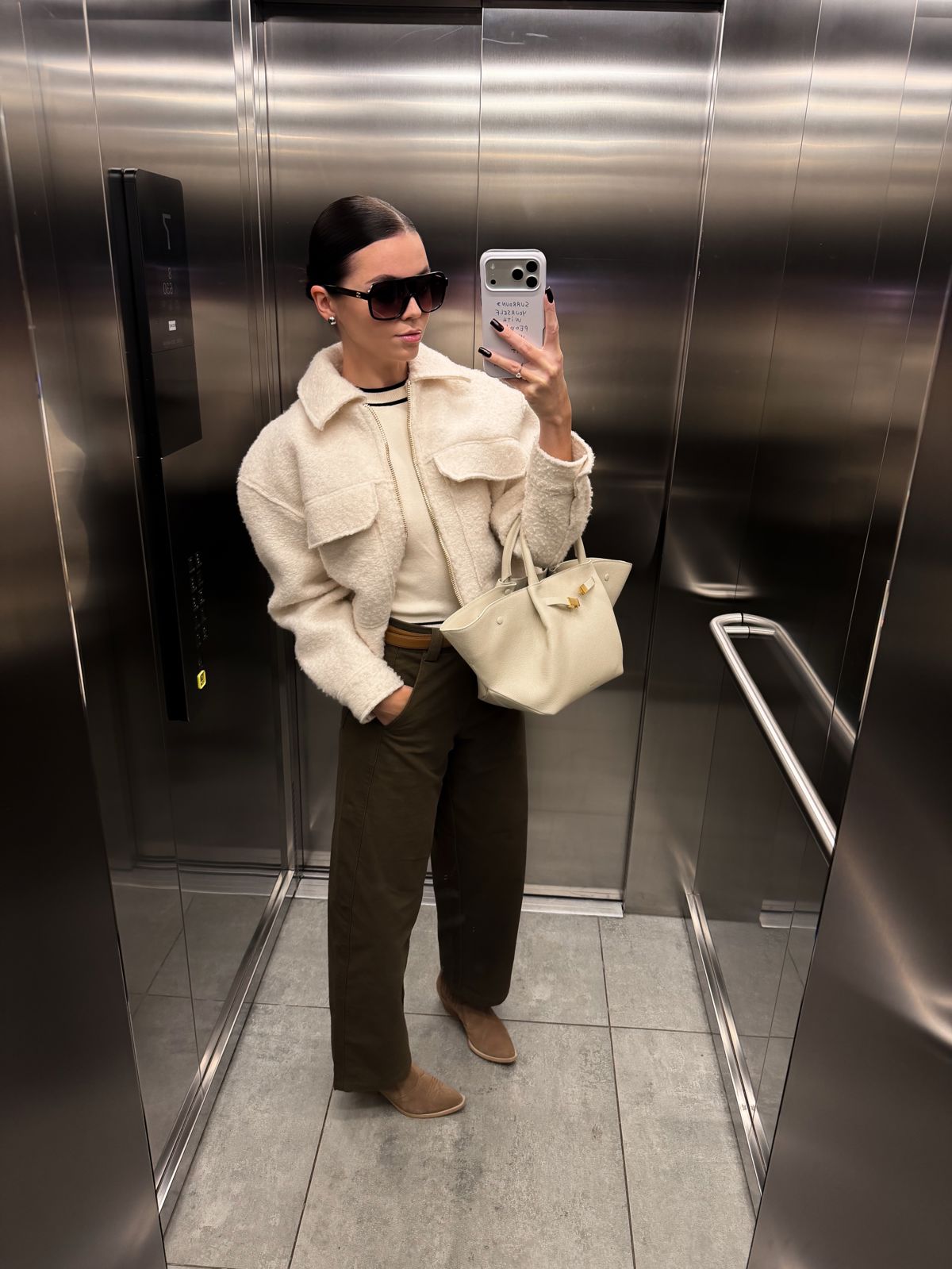
idealny duet na jesień 🤎
@ivankaillina
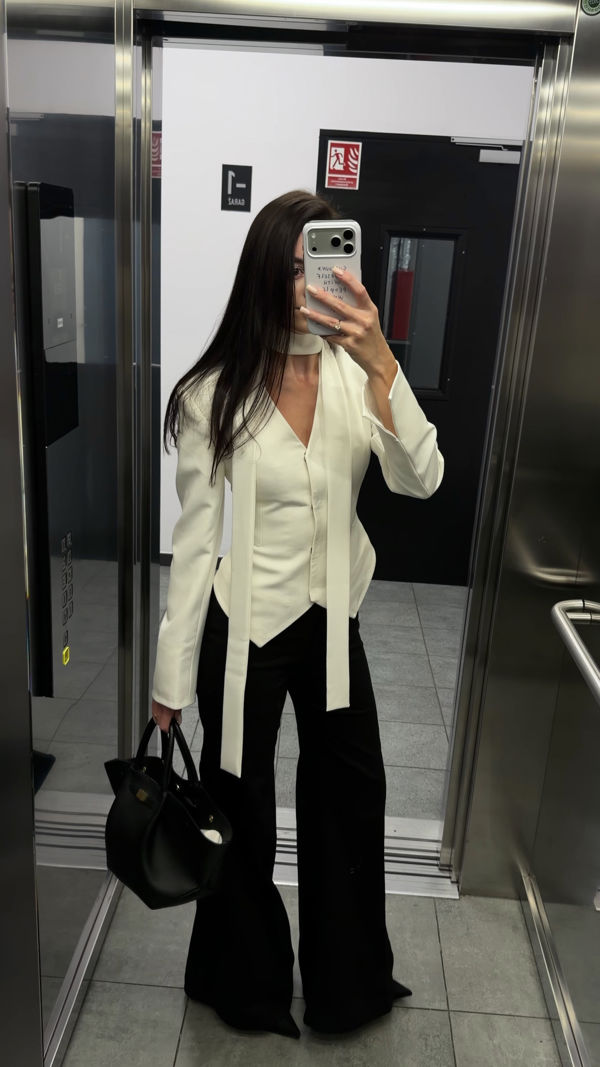
Elegancki look
@ivankaillina
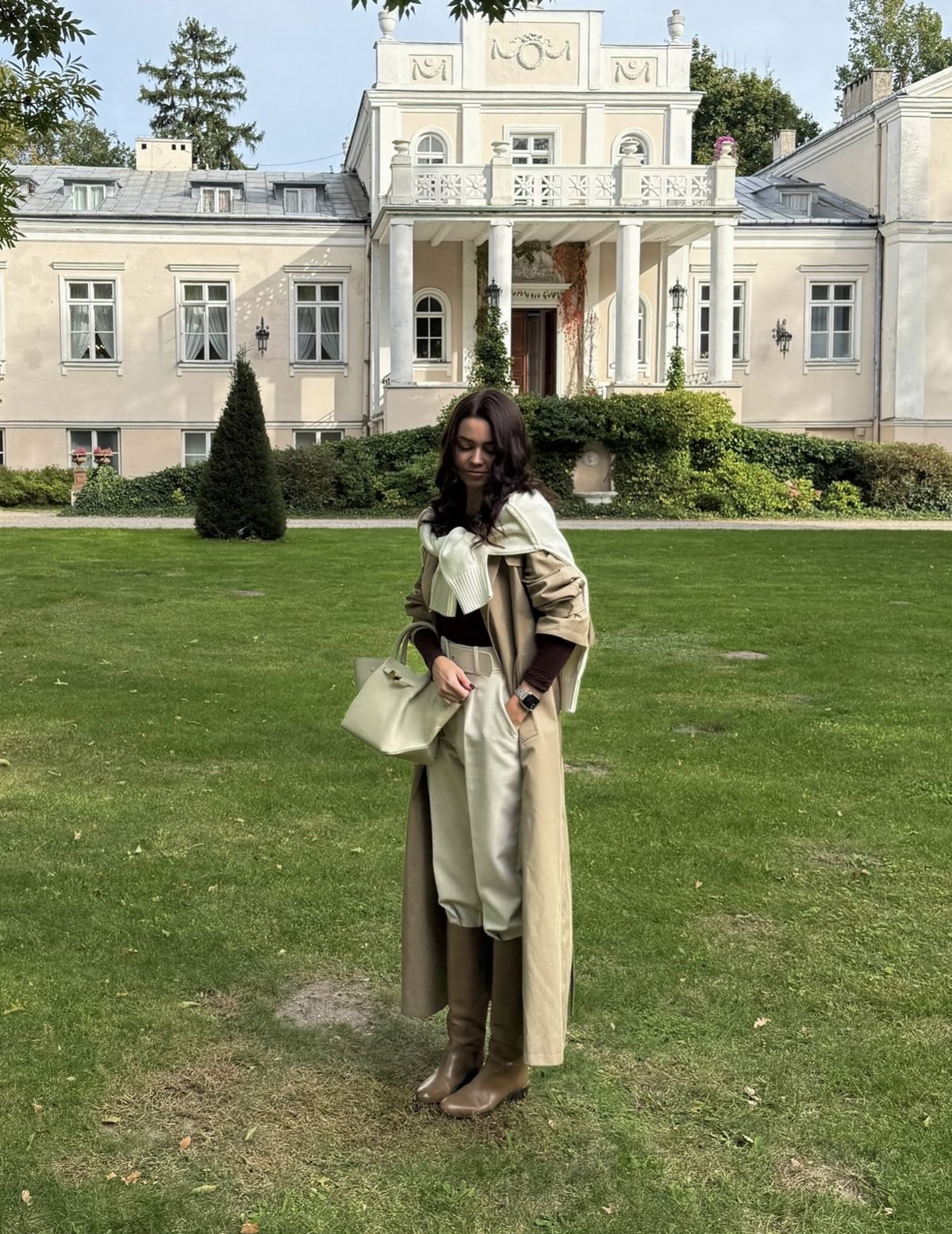
jesienny look z trenczem 🤎
@ivankaillina
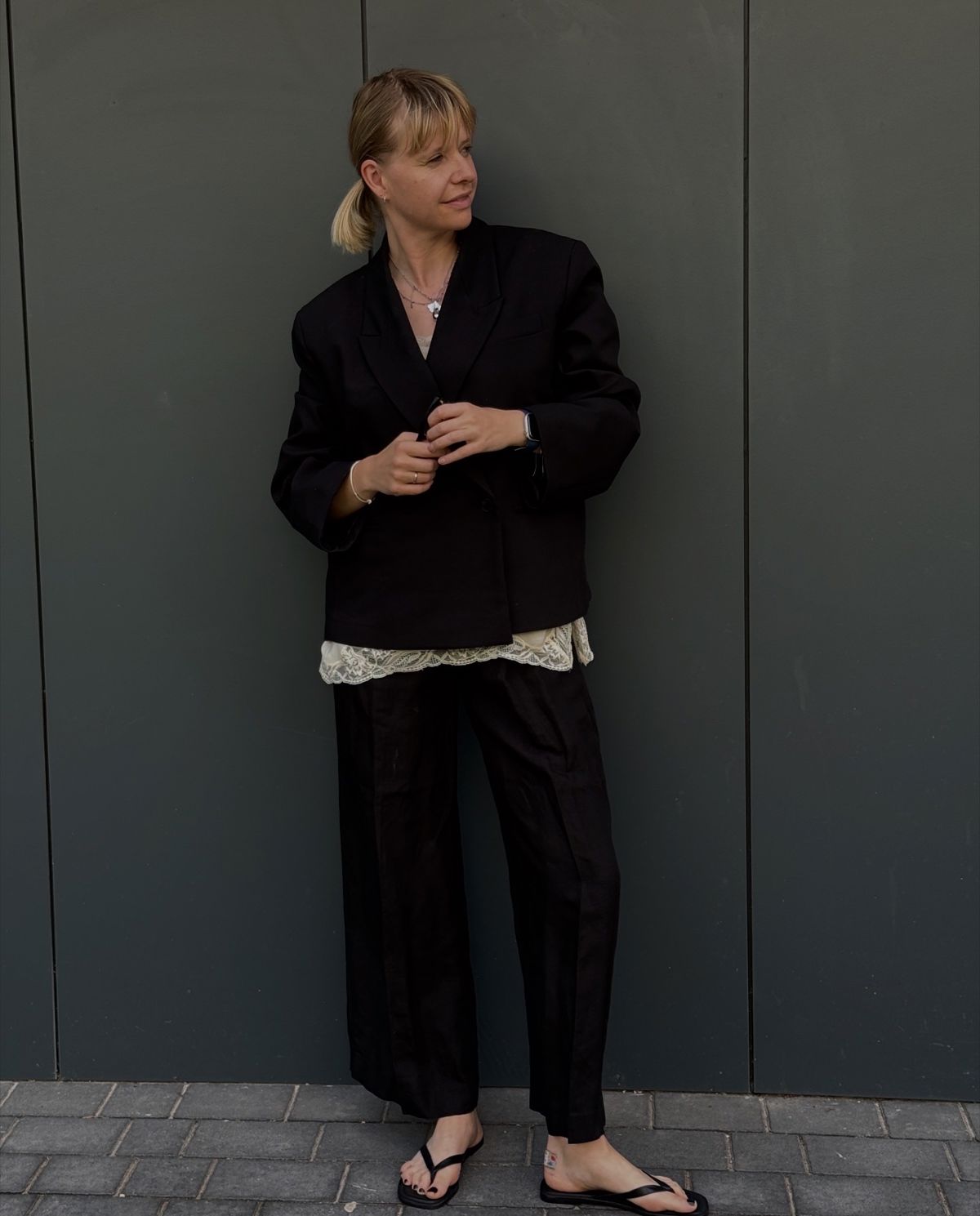
Garnitur inaczej
@led
A simple way to build an outfit palette
If you want a quick starting point, choose one base color - denim, black, beige or navy - one supporting color such as white, grey or brown, and one accent: red, green, blue, pink or any shade you want to highlight.
This is not a rule you have to follow. It is simply an easy framework when you have a lot of colorful clothes and do not know where to begin.
Take inspiration from the color combination, not the exact clothes
When you like someone else’s outfit, try looking at it as a color palette. Maybe what you actually like is not the specific jacket but the combination of brown and blue, or the way a red accessory works with a neutral base.
That kind of idea is much easier to recreate with your own wardrobe than copying an outfit product by product.
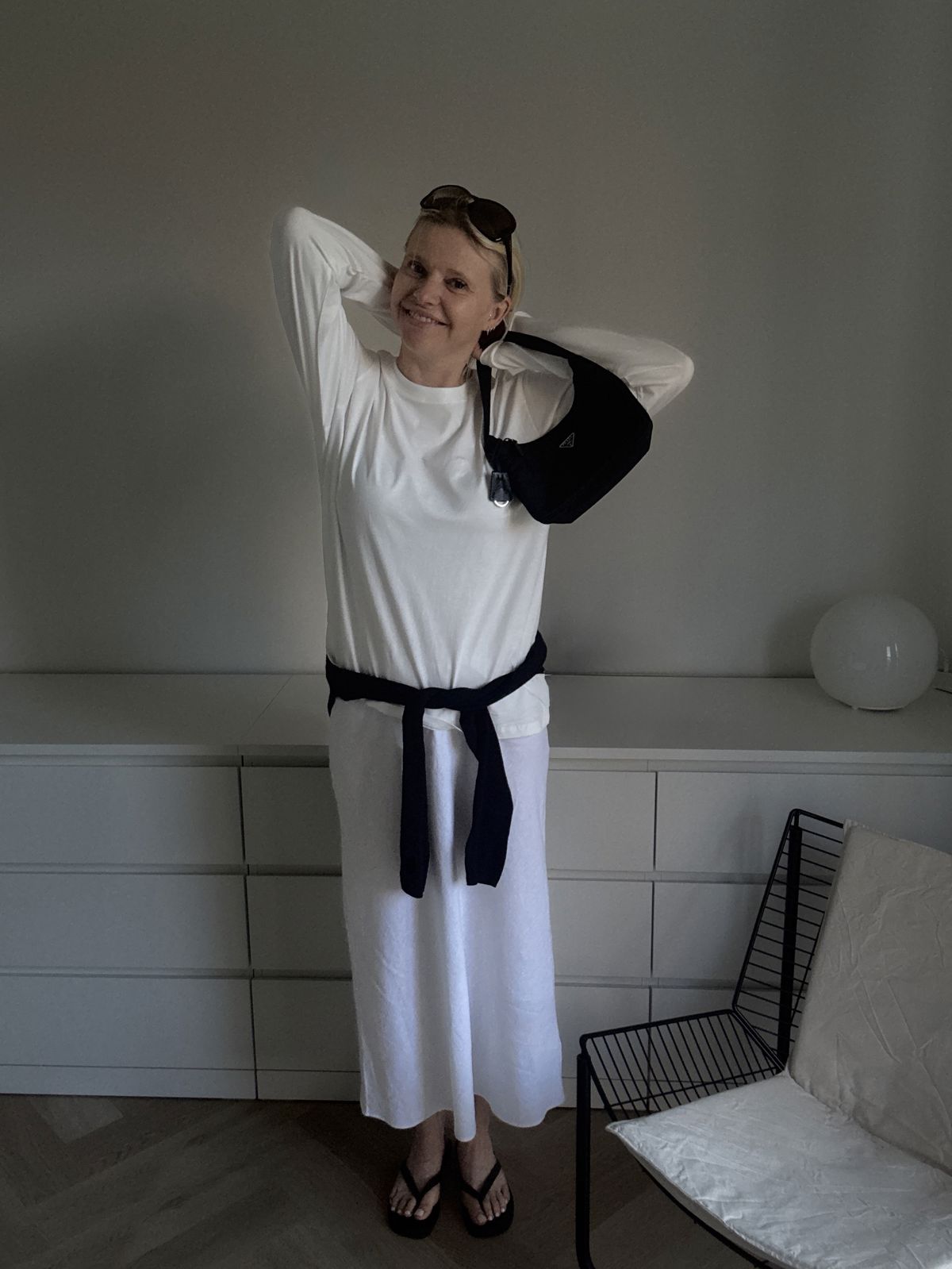
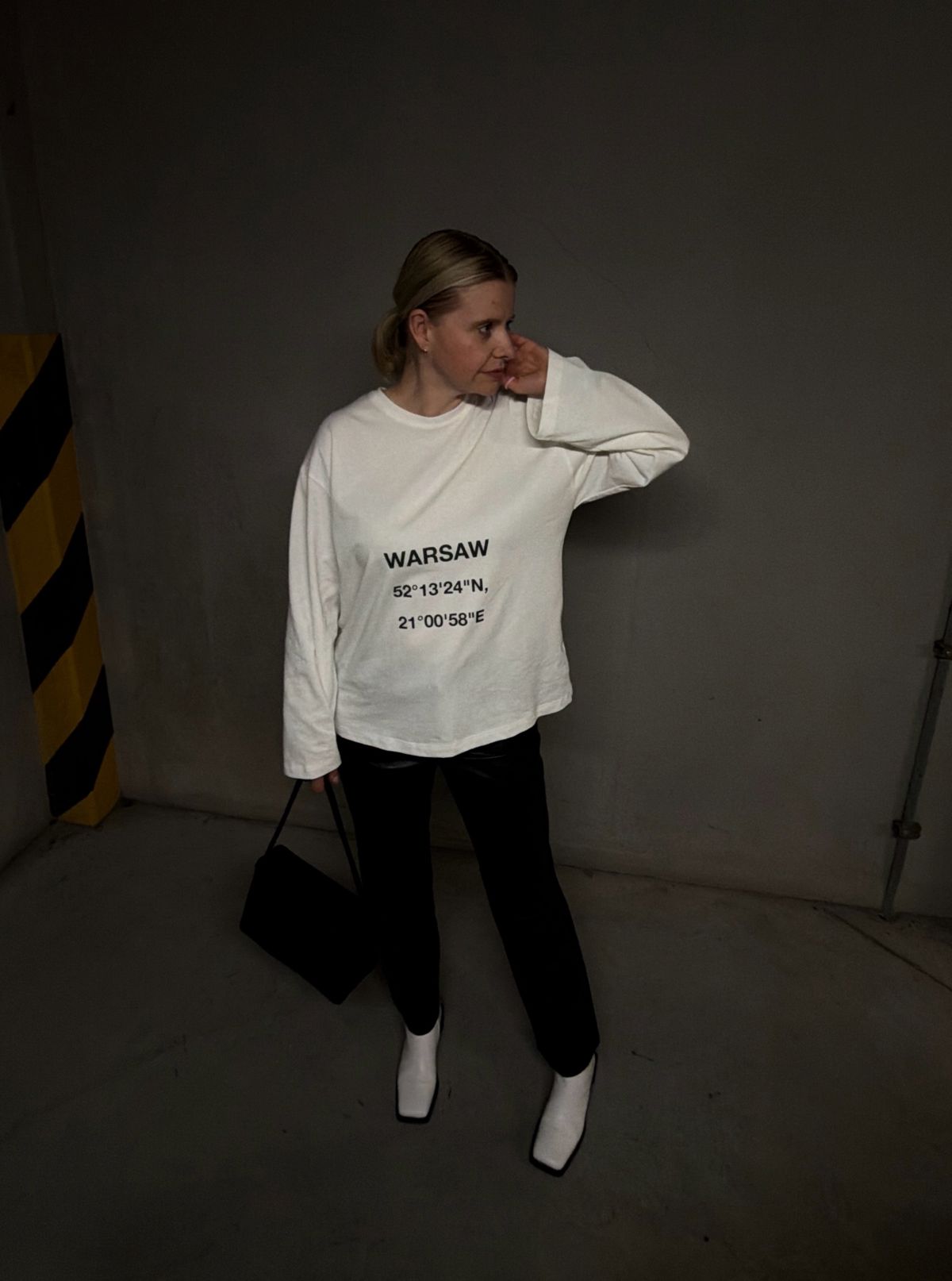
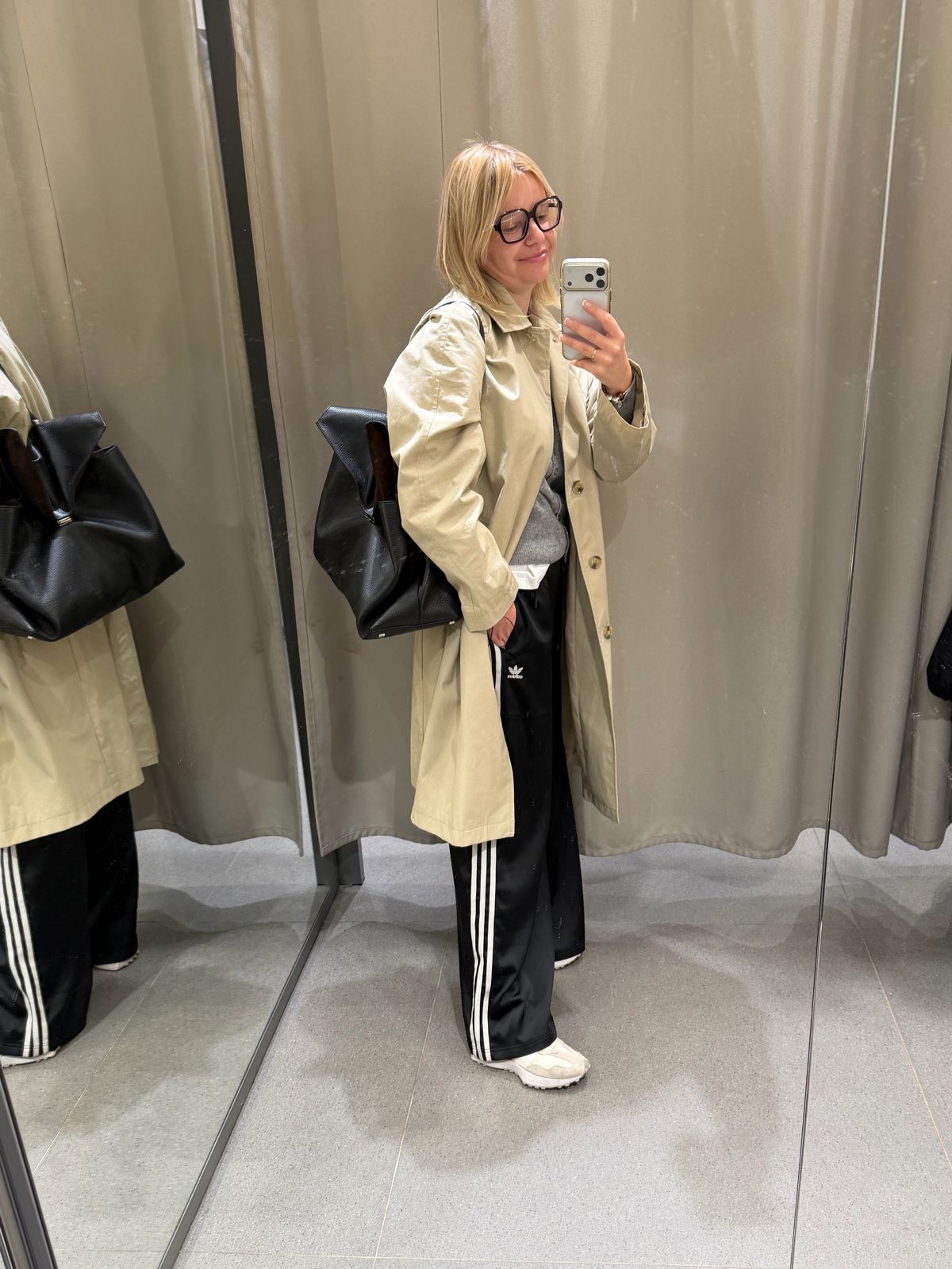
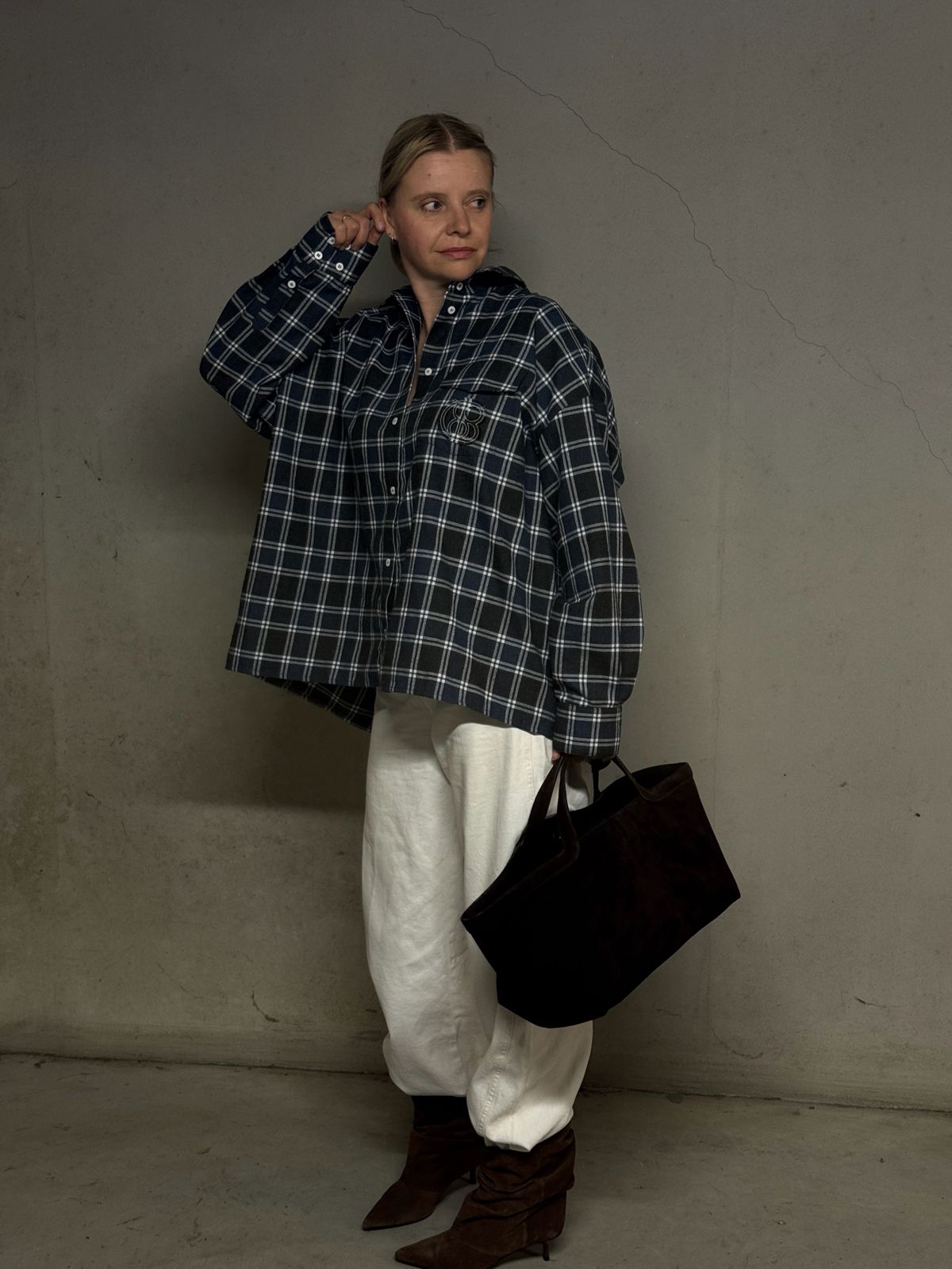
Different ways the Insply community combines colors in real outfits.
Frequently asked questions
Choose one piece in the color you want to lead the outfit, then build the rest around a neutral base, a similar shade or a small contrast. That makes it easier to decide which color should stand out.
No. White, black, grey, beige, navy, brown and denim make it easier to introduce a stronger color. A red bag, colorful sneakers or jewelry can completely change a simple neutral outfit.
Start with one larger colorful piece and a smaller contrasting accessory such as shoes, a belt or a bag. If you like the effect, gradually introduce more color in future outfits.
No. Color analysis can be useful inspiration, but it does not have to decide what you wear. You can introduce a favorite shade through trousers, shoes or a bag, or combine it with a color you already feel comfortable in.
Explore outfits
- Outfits Casual View outfits
- Outfits Elegant View outfits
- Outfits Streetwear View outfits
- Outfits Minimalist View outfits
- Outfits Travel View outfits
- Outfits Sporty View outfits
- Outfits Winter View outfits
- Outfits Summer View outfits
- Outfits With friends View outfits
- Outfits University View outfits
- Outfits Date View outfits
- Outfits Wedding guest View outfits
- Outfits For work View outfits
- Outfits Party View outfits
More guides
All guides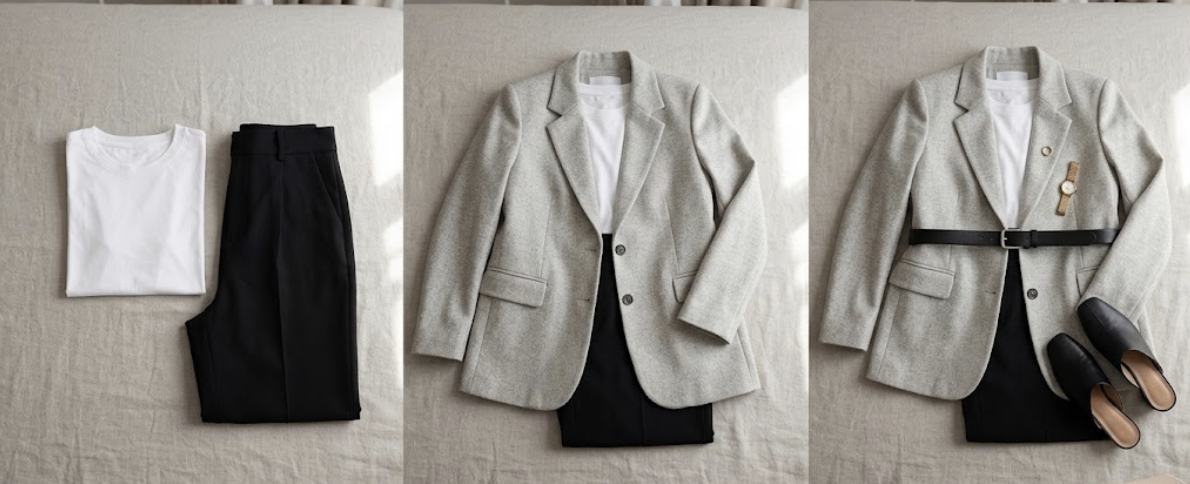
Guide
How to build an outfit step by step
Build your outfit gradually: start with one piece, then work through silhouettes and colors before finishing with shoes and accessories.
Read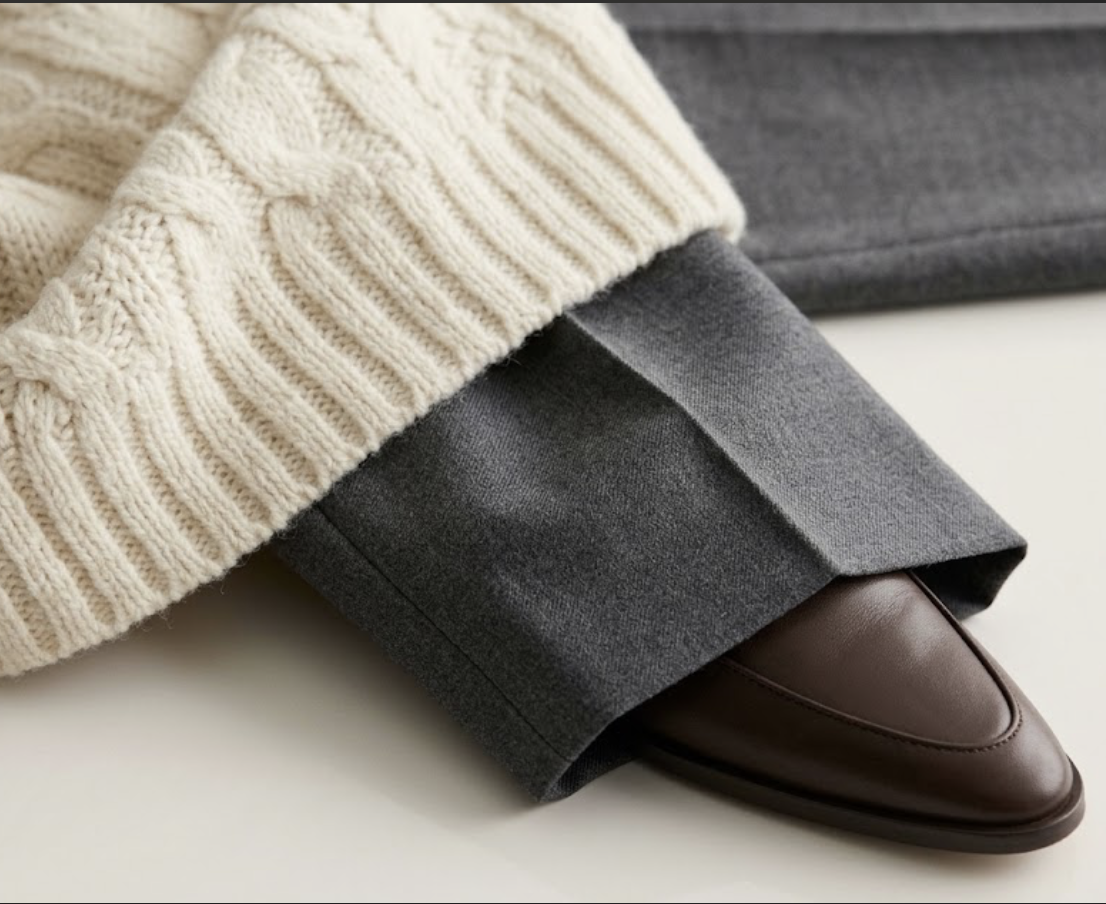
Guide
How to balance proportions in an outfit
Combine lengths, silhouettes and layers in your own way - without rigid rules about body shape.
Read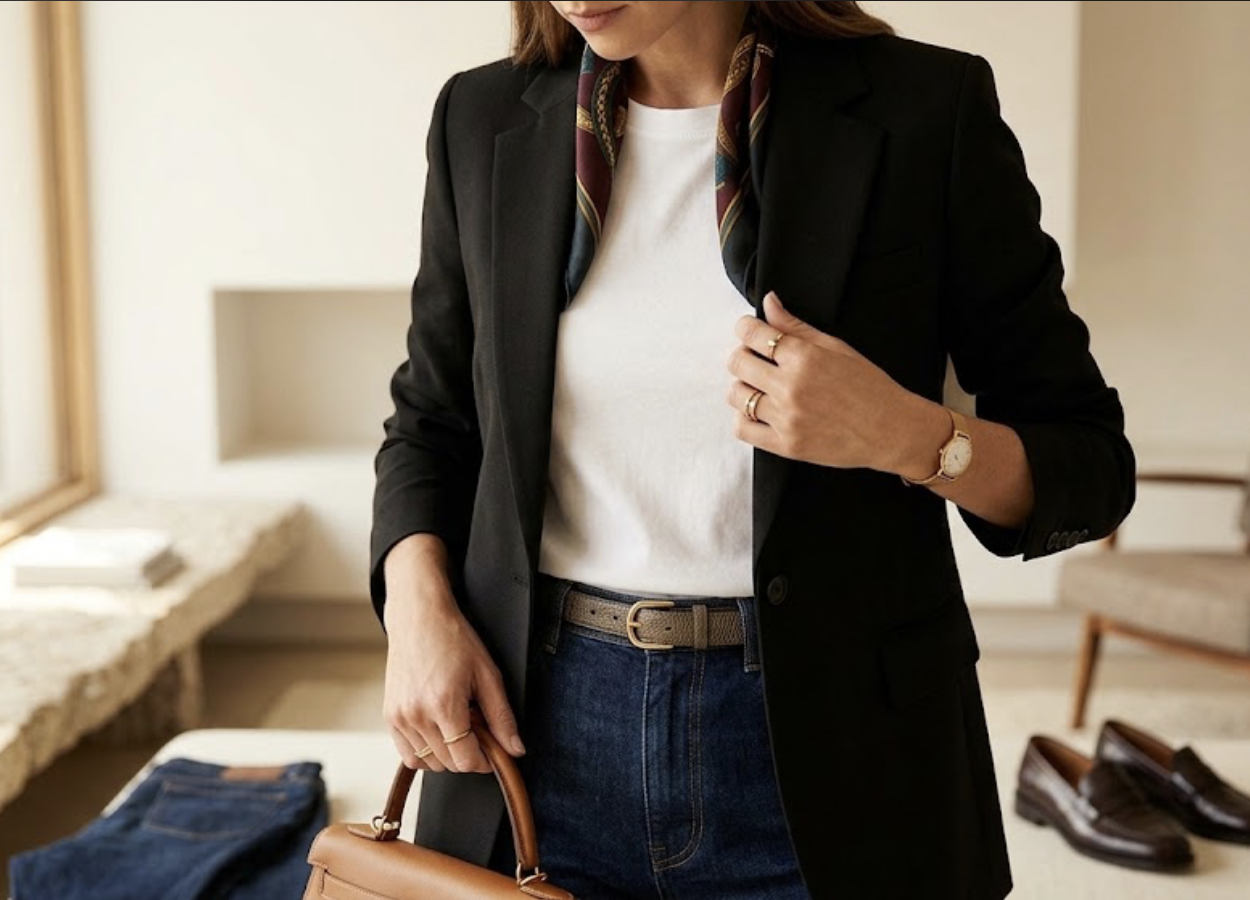
Guide
How to make a simple outfit look more polished?
Refine the base, proportions, layers, shoes and accessories using what you already own.
Read




Find more outfits like these in the app
Download Insply, save your favorite outfits to collections and explore every tagged product, including its price and store link.