
How to build an outfit step by step
Not every outfit has to start with a complete plan. Sometimes you feel like wearing a particular pair of jeans; other times you start with new shoes, a blazer or simply something you feel good in that day.
Instead of trying to put together the entire look at once, it can be easier to build it gradually. Choose one starting point, add the next pieces and check along the way whether everything still feels cohesive and works for what you have planned.
There is no single correct order or set of rules that works for everyone. Think of the steps below as a simple way to make the process easier.
Start with one piece
The easiest place to begin is with something you genuinely want to wear. It could be jeans, a skirt, a dress, a hoodie, a shirt, a blazer or a particular pair of shoes. That piece becomes the starting point for the rest of the outfit.
If you choose wide-leg trousers, your next step might be finding a top that works well with their proportions. If you start with statement sneakers, you can create a simpler base and let the shoes become the focal point.
Outfits built around one standout piece.
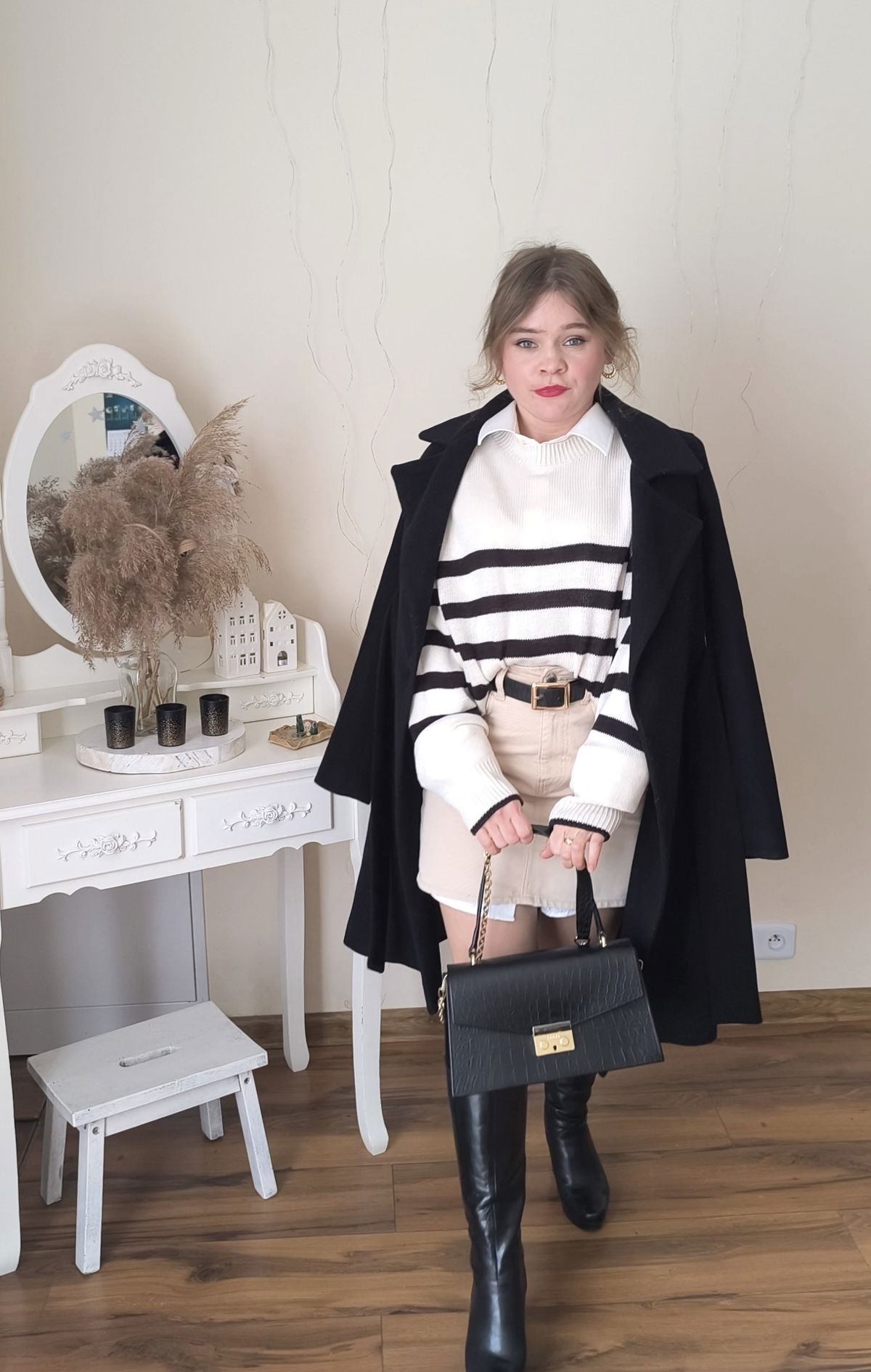
Insomniaa92
@insomniaa92
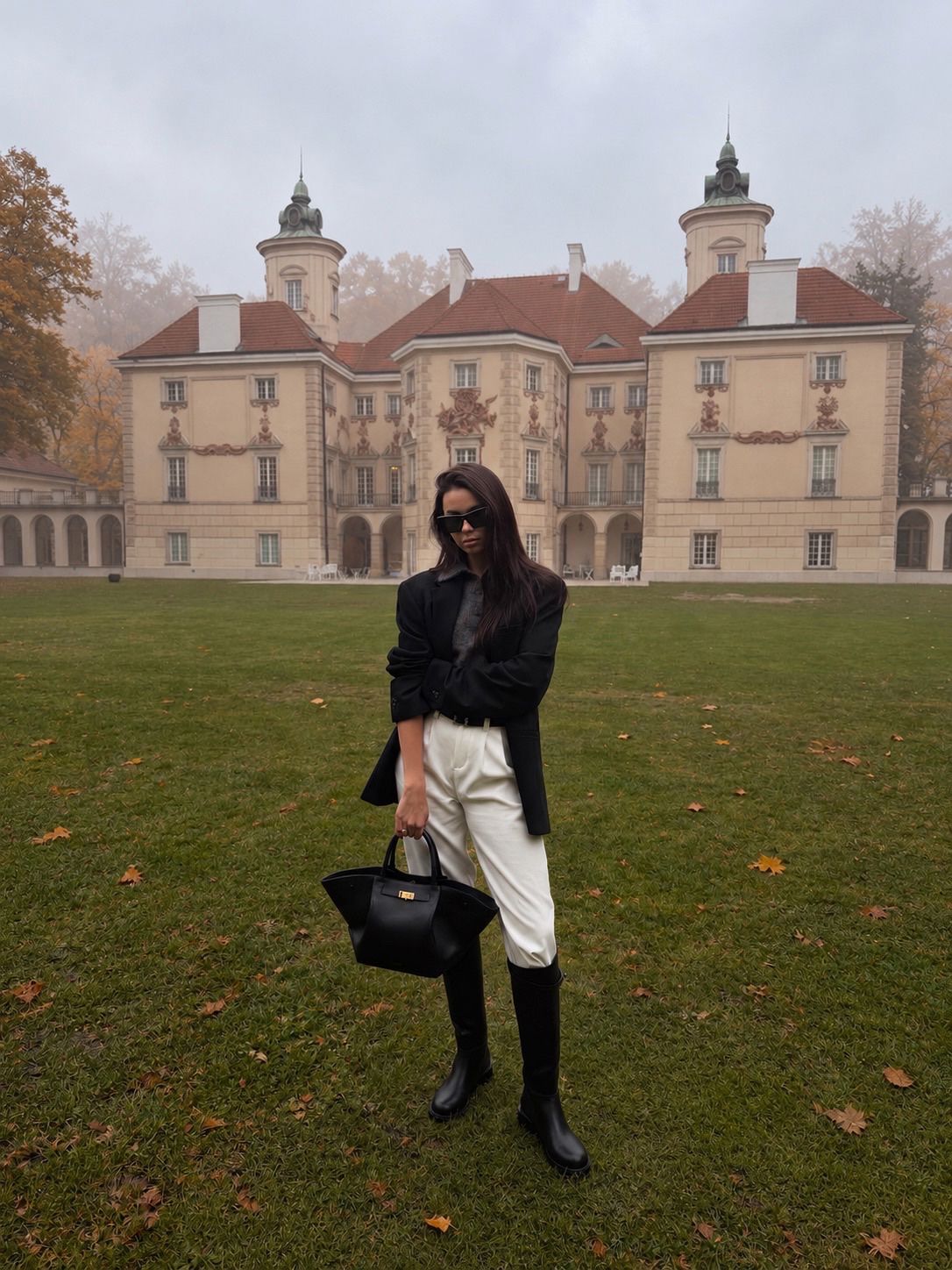
Klasyka na jesień
@ivankaillina
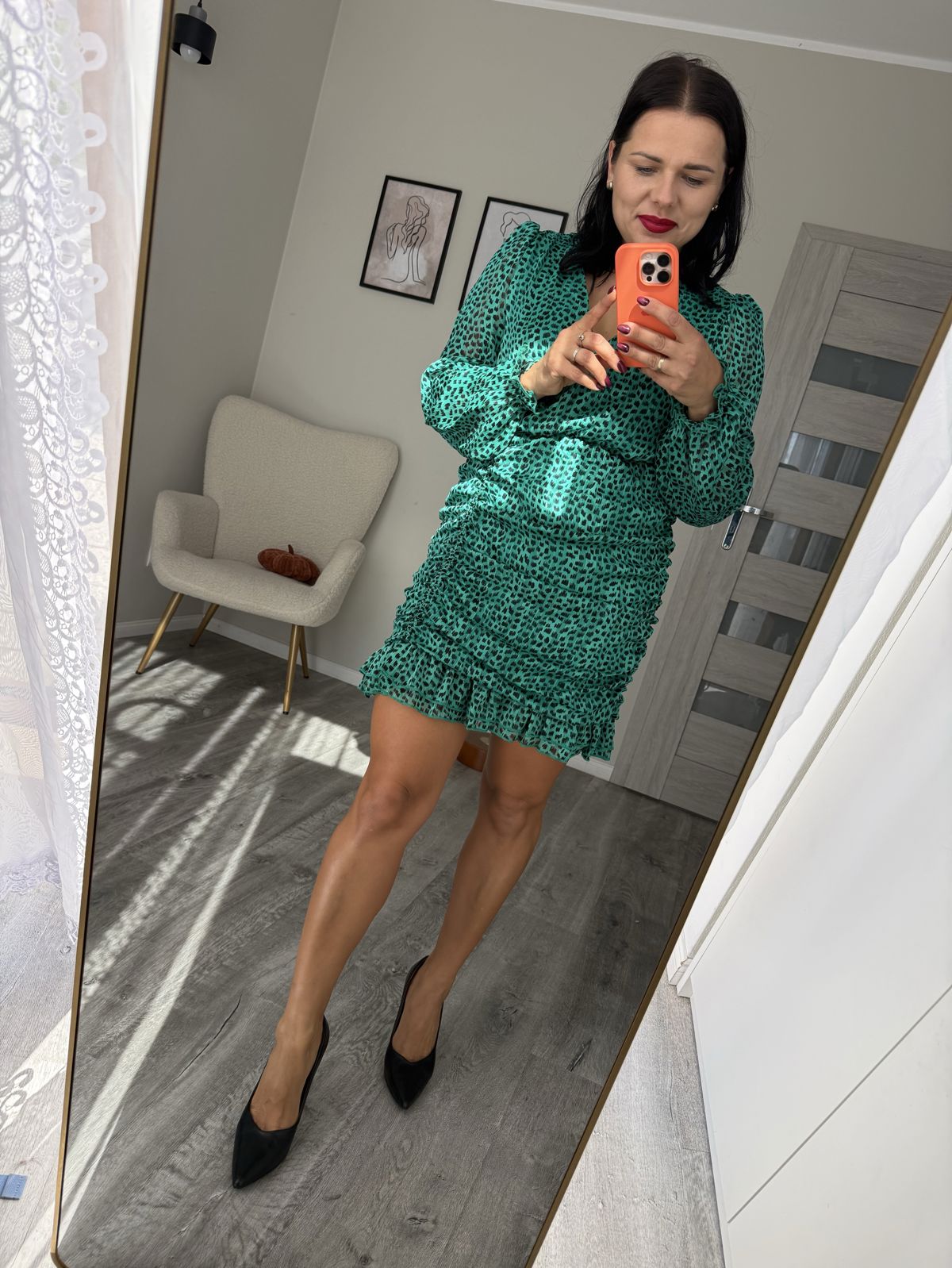
Stylizacja na wyjście
@sabina.stylizuje
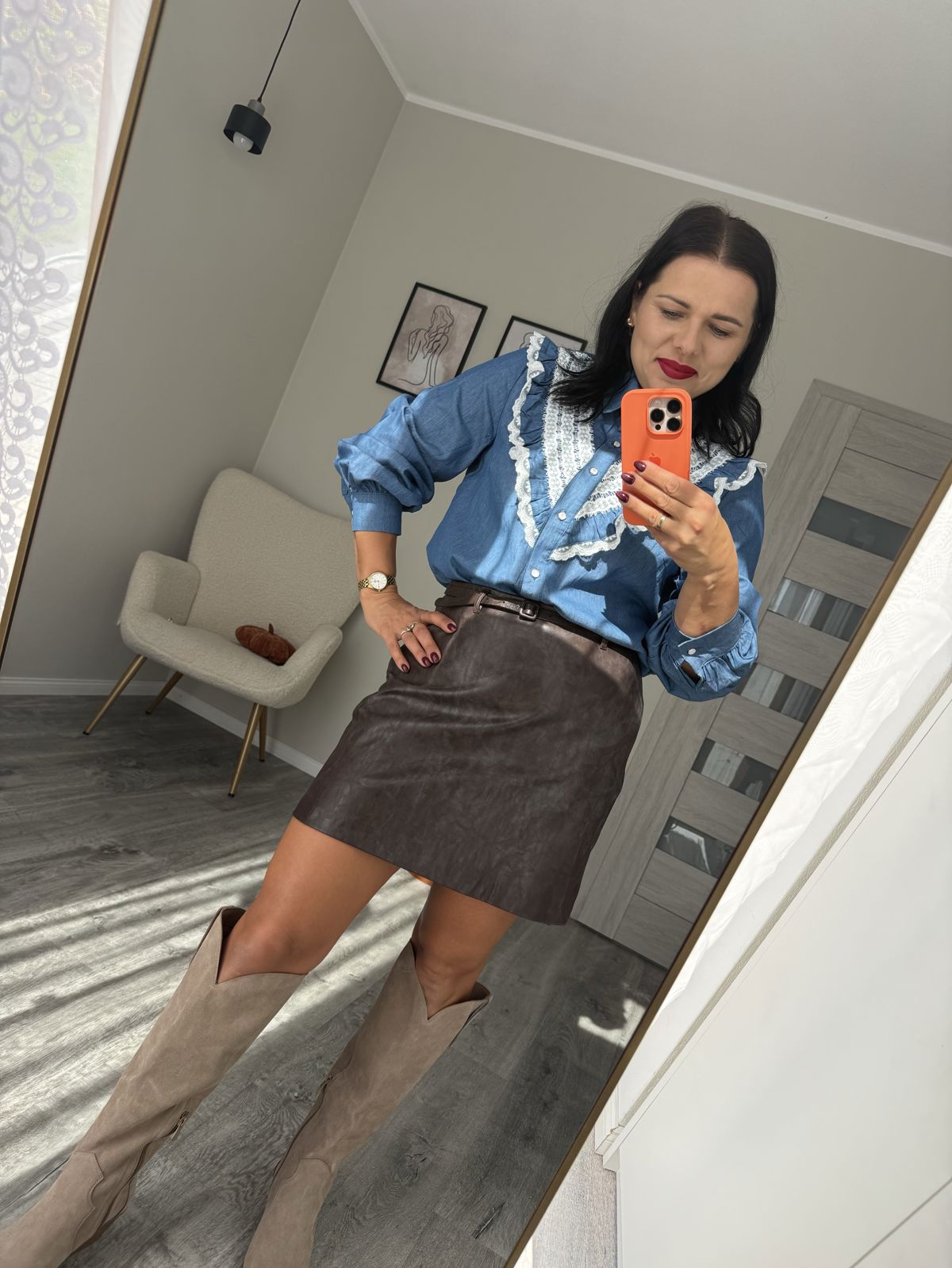
Stylizacja na spotkanie
@sabina.stylizuje
Choose the other silhouettes
Once you have your starting piece, look at the proportions the rest of the outfit needs.
With a looser bottom, you might choose a more fitted top, but that is not a rule. Oversized pieces can also work together if that is the effect you want. In the same way, a fitted skirt does not automatically need a loose top. Try a few different combinations and see what works for you.
Pay attention to lengths, the waistline, trouser width and where individual layers end. Sometimes simply tucking in a shirt or rolling up the sleeves changes the proportions more than replacing the entire piece.
Look at the colors
Once the silhouettes are working together, look at the outfit as a whole from a color perspective.
A simple way to start is with a few shades that work well together. You might use a neutral base such as black, white, denim, grey, beige or navy and then add one stronger color. Or do the opposite: start with a colorful piece and keep the rest of the outfit calmer.
If the look feels disconnected, try repeating one color somewhere else - for example, echoing the color of your shoes in your bag or picking up a shade from your top in a small accessory. Everything does not have to match perfectly. Contrast can be an intentional part of the outfit too.
A neutral base with one stronger color in practice.
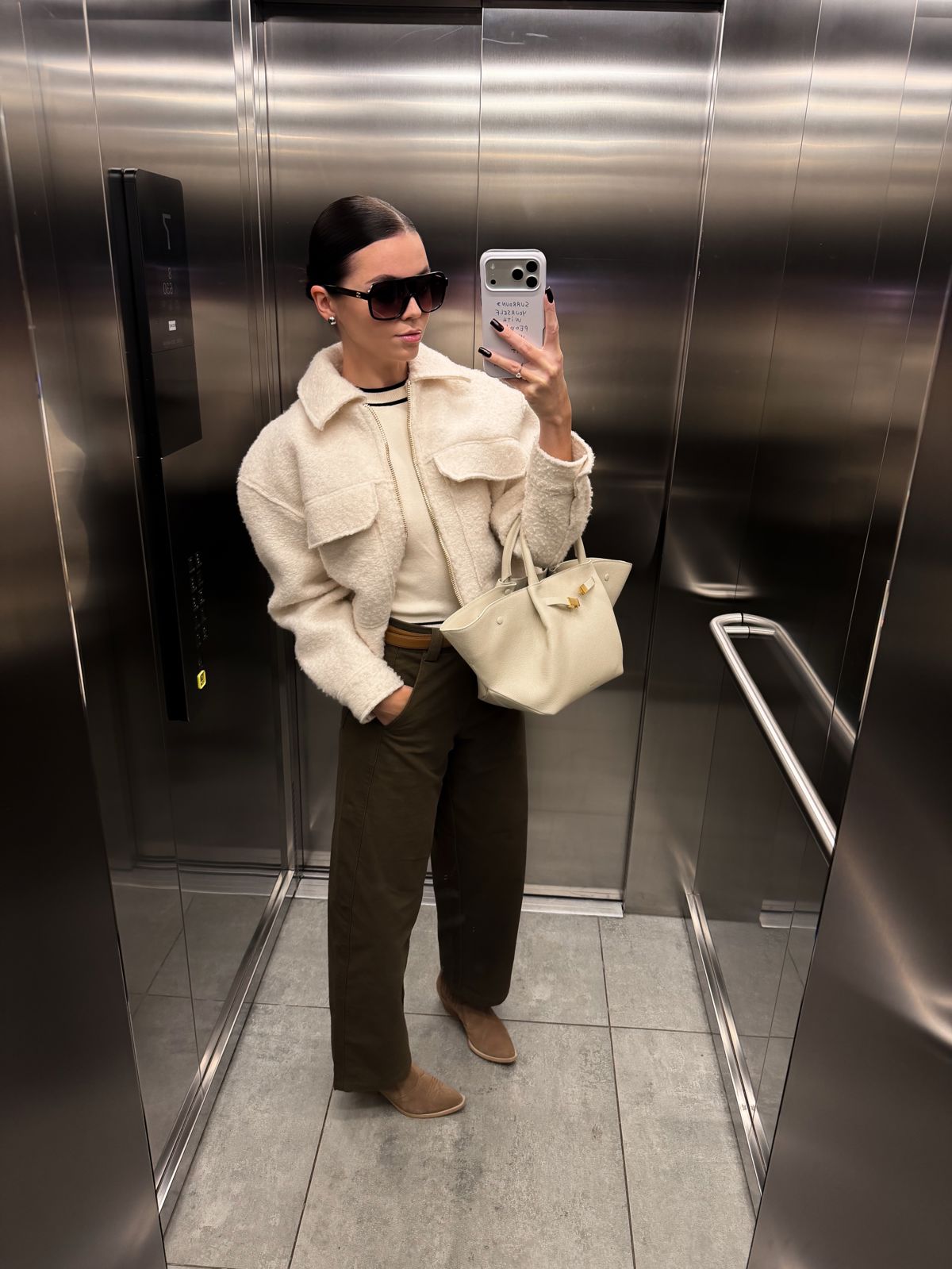
idealny duet na jesień 🤎
@ivankaillina
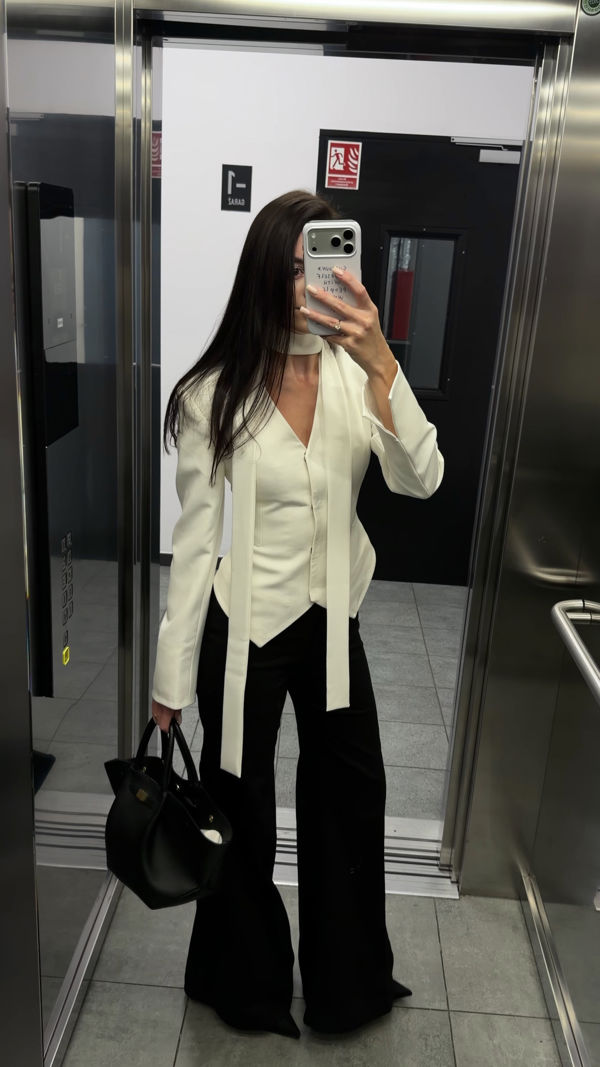
Elegancki look
@ivankaillina
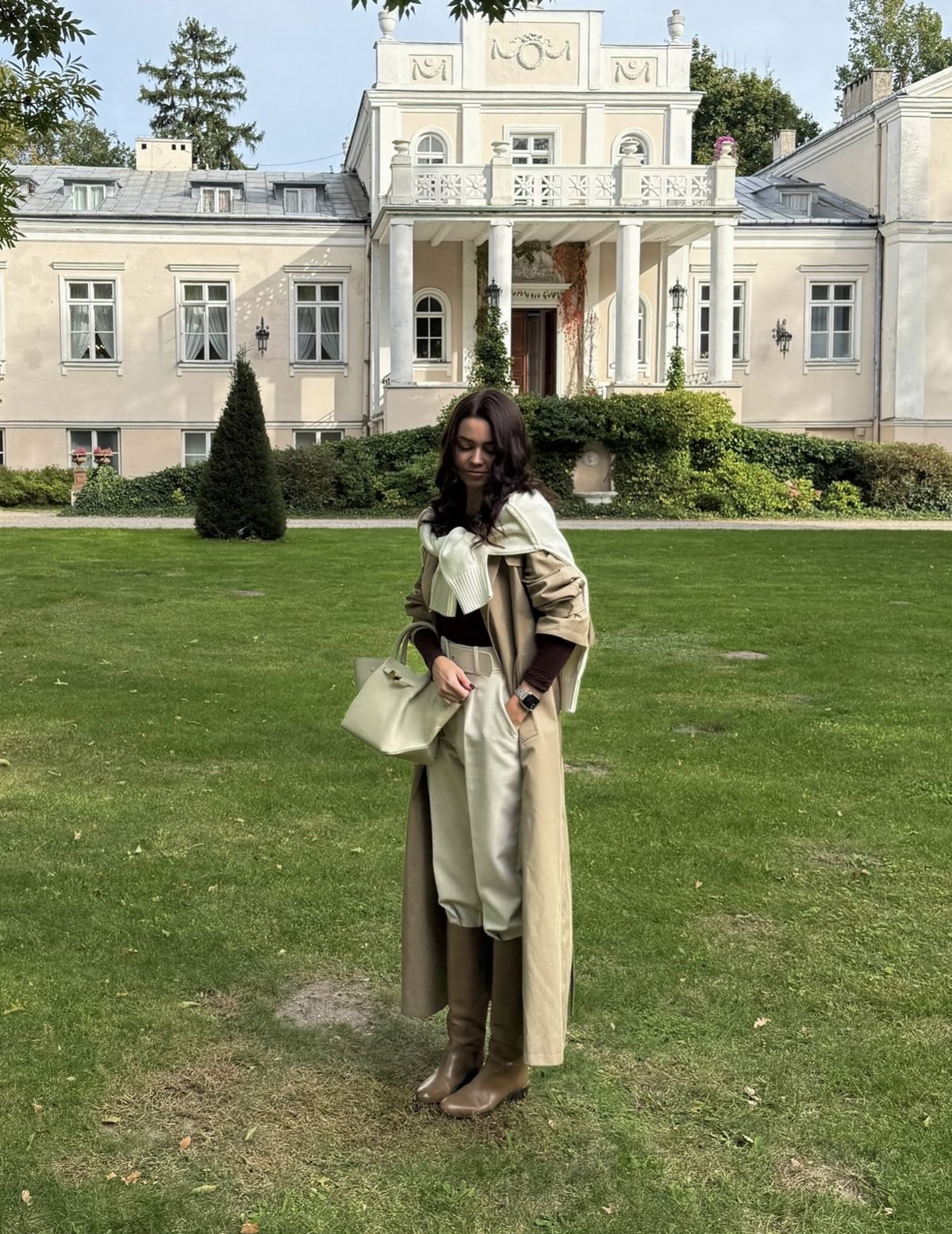
jesienny look z trenczem 🤎
@ivankaillina
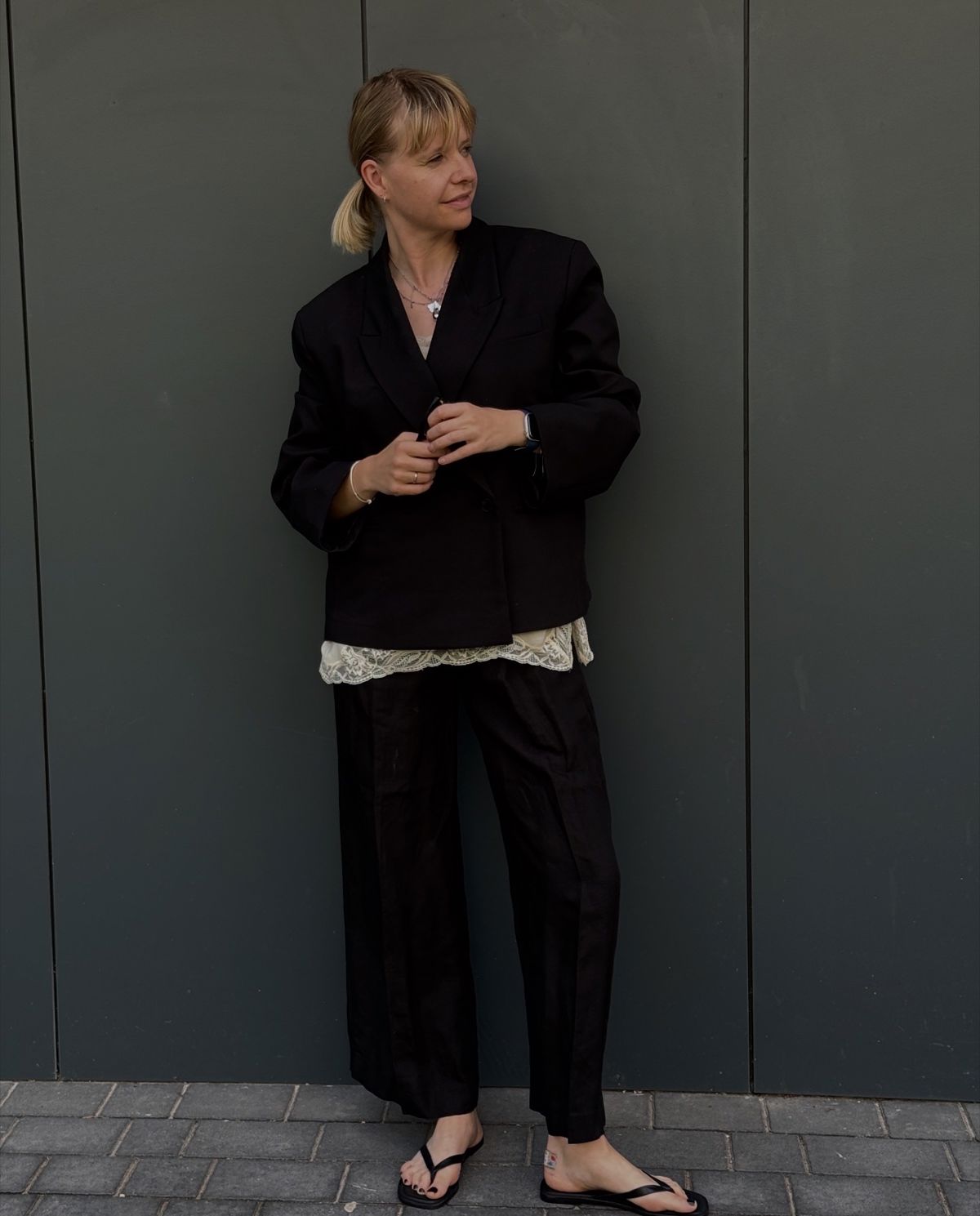
Garnitur inaczej
@led
Add a layer if you need one
A shirt, cardigan, blazer, hoodie, jacket or coat can completely change the feel of a simple outfit.
A T-shirt and jeans can feel more polished with a blazer. The same base becomes more relaxed with a hoodie, while a leather jacket can take it in a stronger direction.
Layers also have a practical purpose. Think about the temperature, the weather and whether you will spend part of the day outdoors. You can find more layering ideas in our winter outfits.
Choose your shoes
Shoes often decide which direction the whole outfit takes.
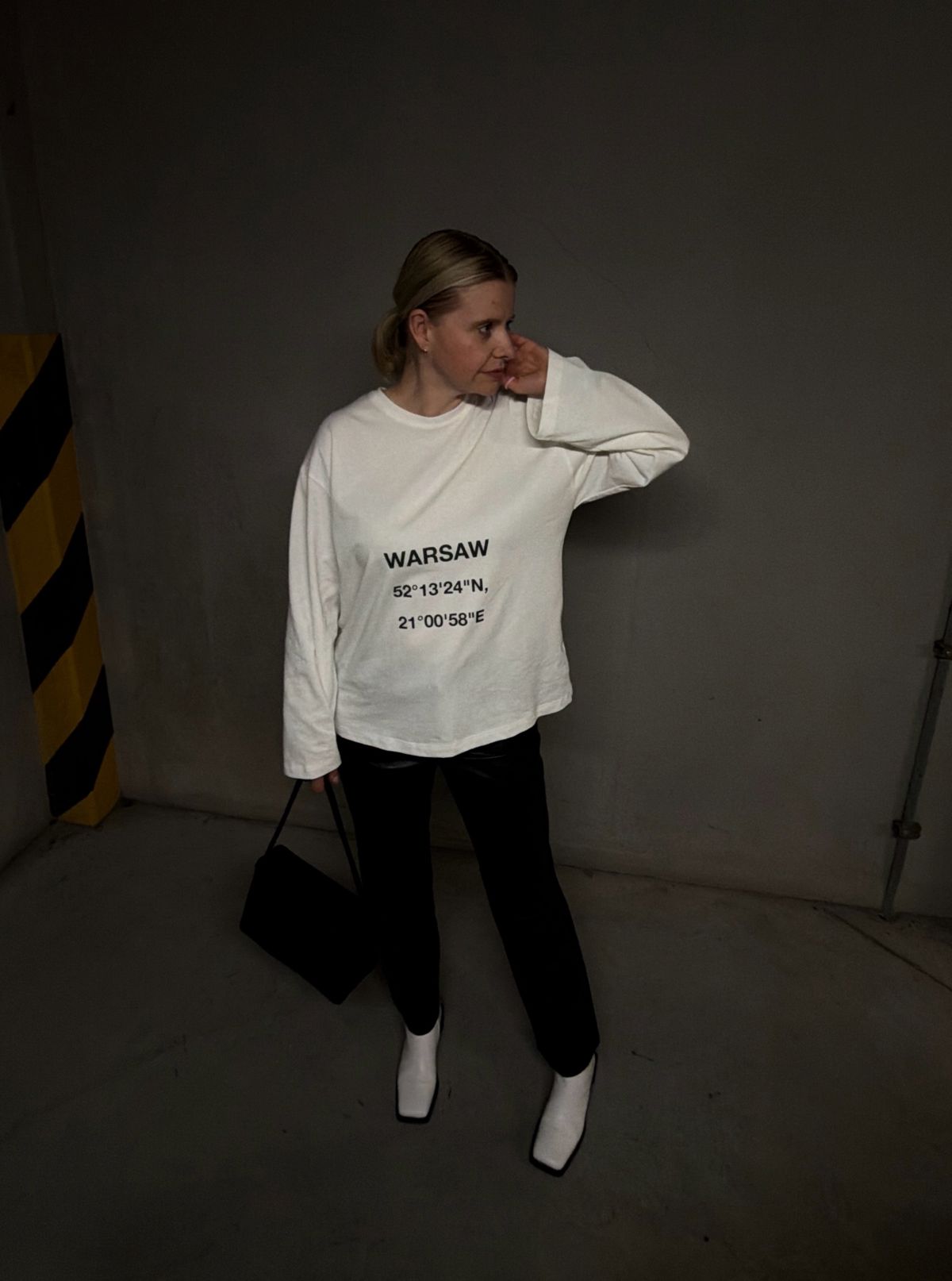
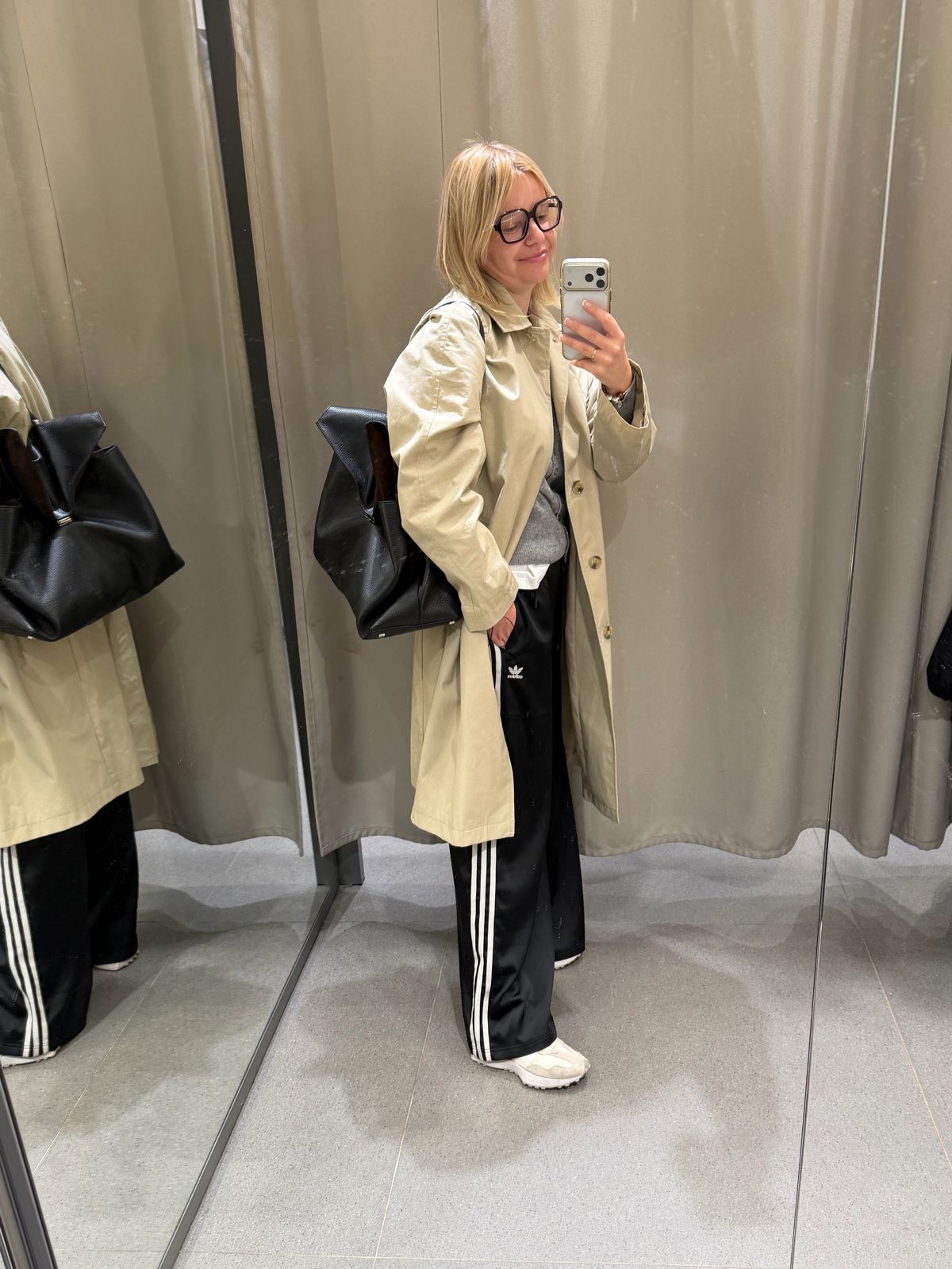
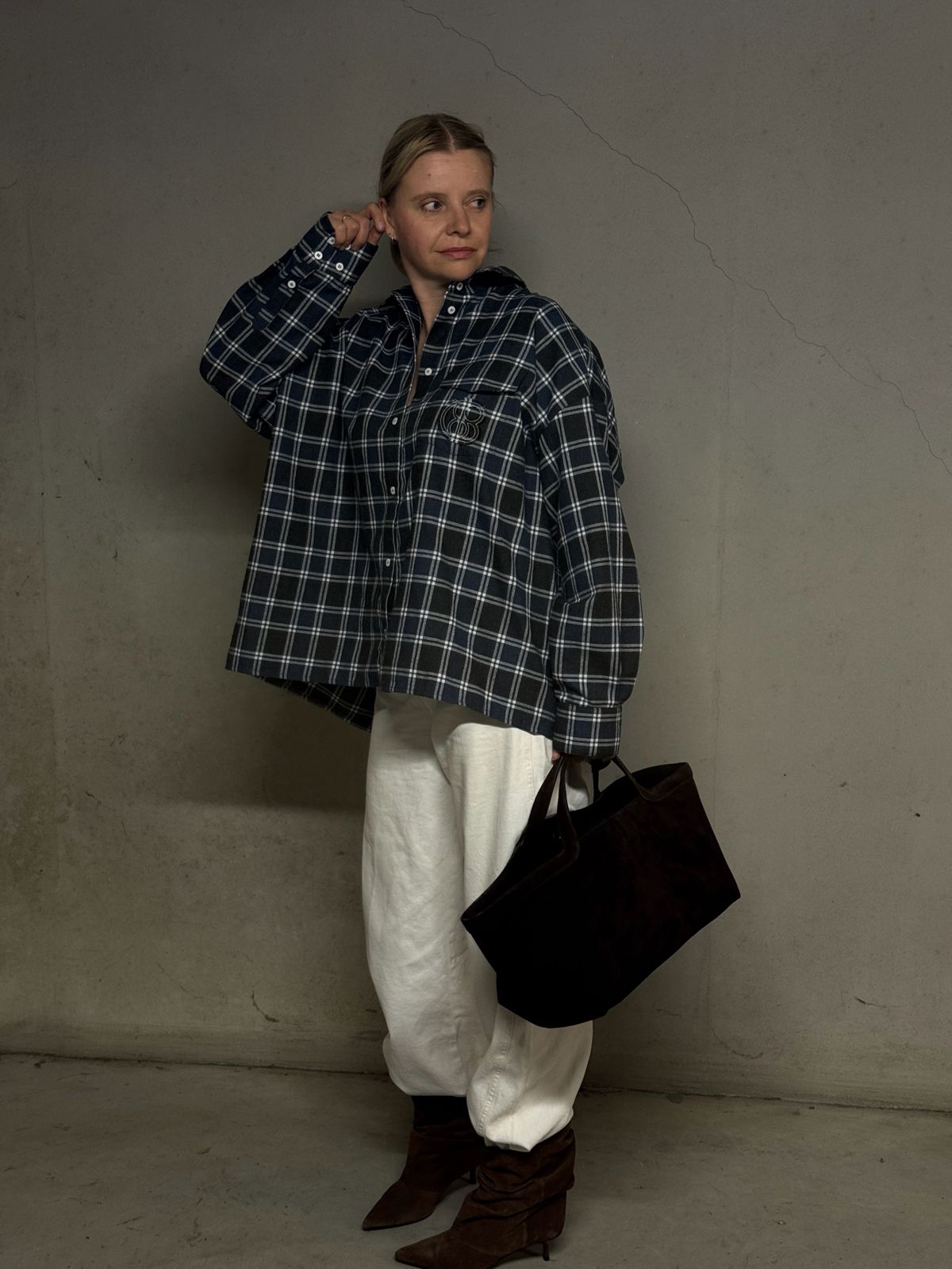
Jeans and a blazer can stay casual with sneakers. With loafers, the look feels more polished, while ankle boots can give it more of an evening feel.
Think about more than appearance. If you are going to walk for hours, spend all day in classes or travel, comfort may matter more than the visual effect alone. The right shoes should work both with the proportions of the outfit and with how you will actually spend your day.
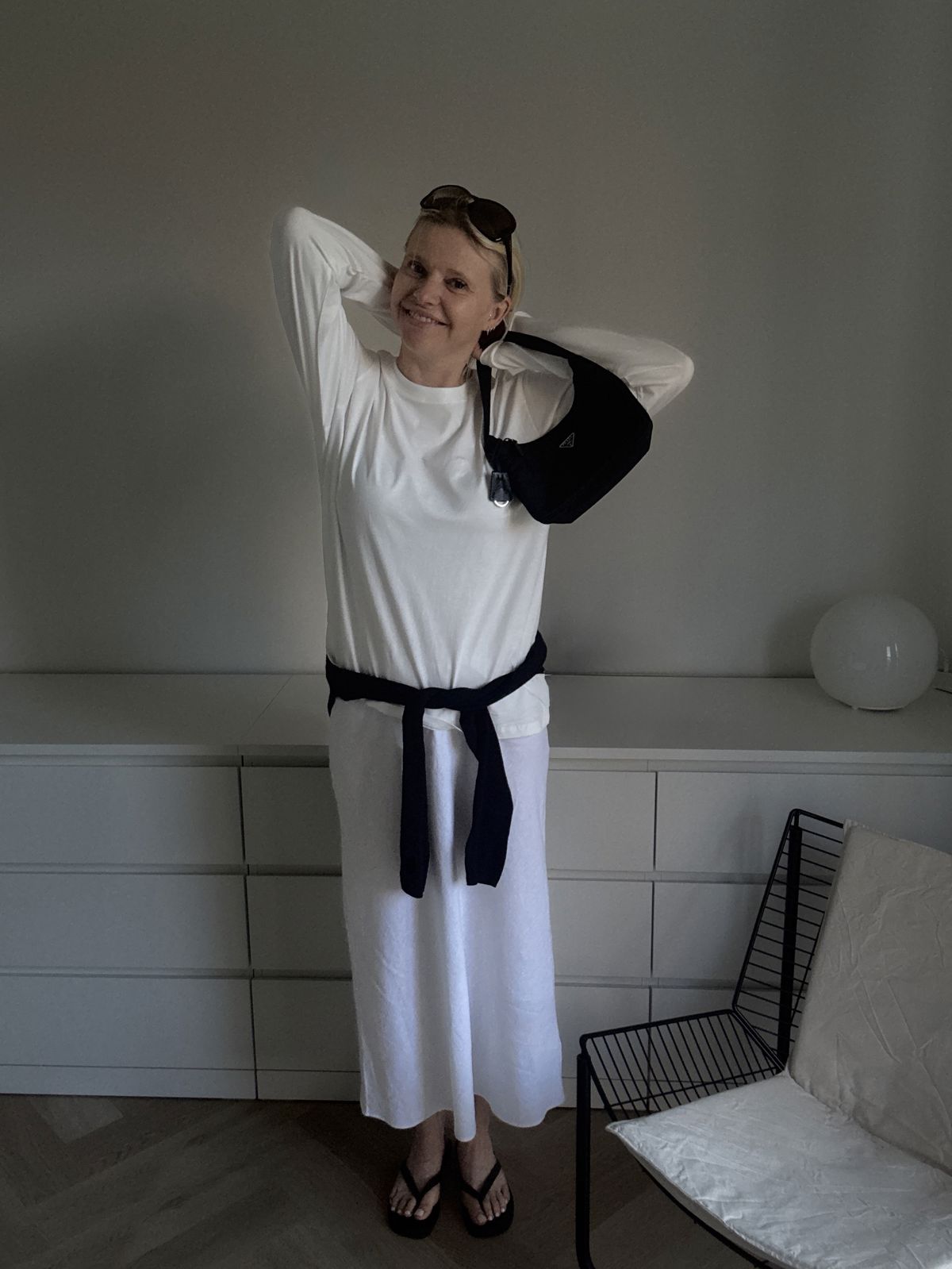
The same base, different shoes - a different feel.
Add accessories at the end
A bag, jewelry, belt, sunglasses, hat or scarf can finish the outfit, but you do not need all of them at once. Sometimes one detail is enough.
If your base is simple, a stronger bag or piece of jewelry can give it more personality. If the clothes are already expressive, the accessories can stay more neutral.
Before adding something else, look at the full outfit and ask whether it actually needs anything more.
Make sure the outfit works for your day
At the end, ask yourself one simple question: do I actually want to spend several hours wearing this?
An outfit might look great in a photo, but if your shoes hurt, your trousers need constant adjusting or you are missing a layer for a colder evening, it will quickly stop working.
A good outfit does not have to be complicated. It should work for you, the situation and the way your day actually looks. If you need a look for a specific plan, start with our outfits for going out with friends.
Outfits that work throughout the day, not just in a photo.
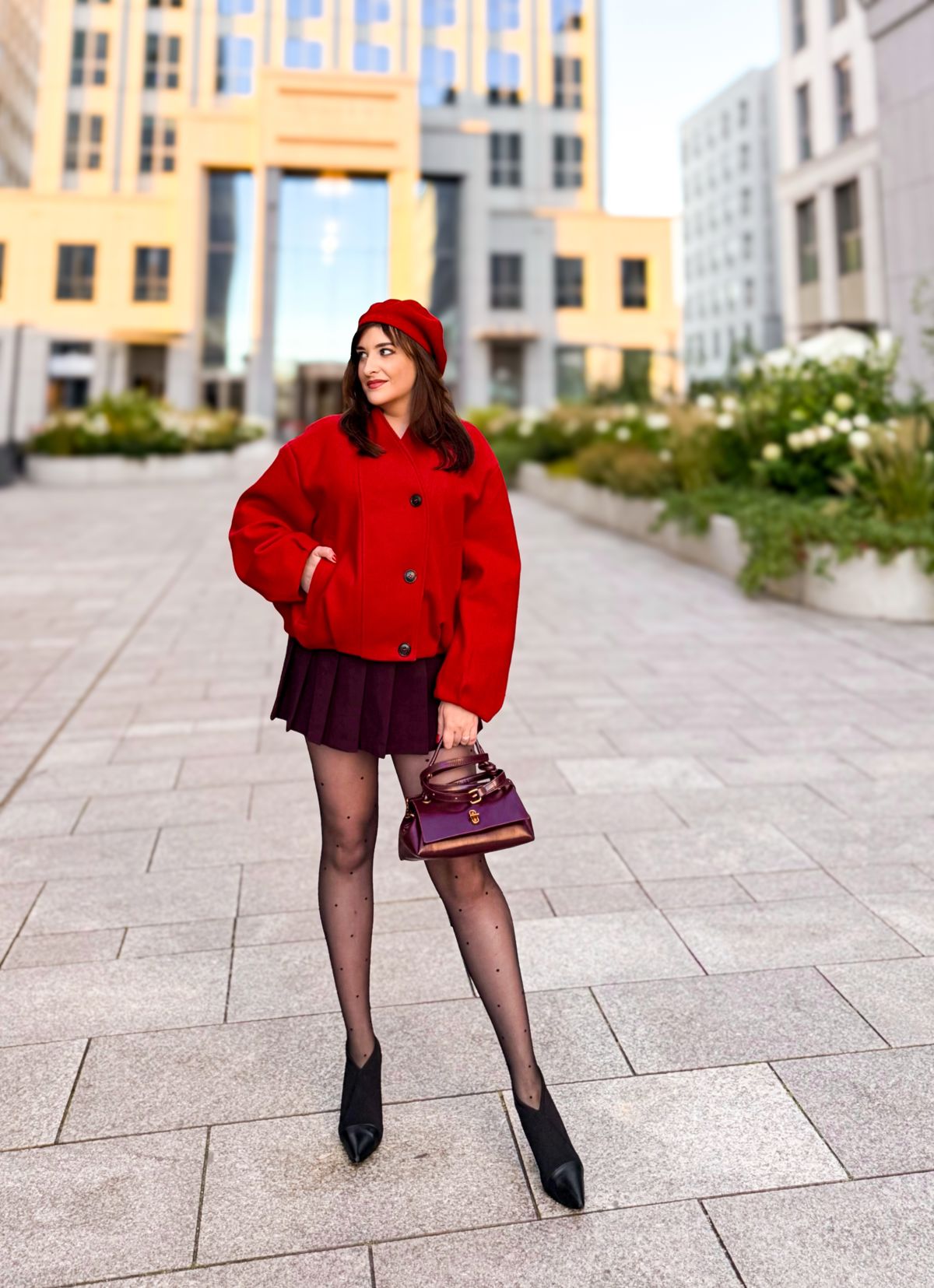
Autumn edit 1
@louisev.v
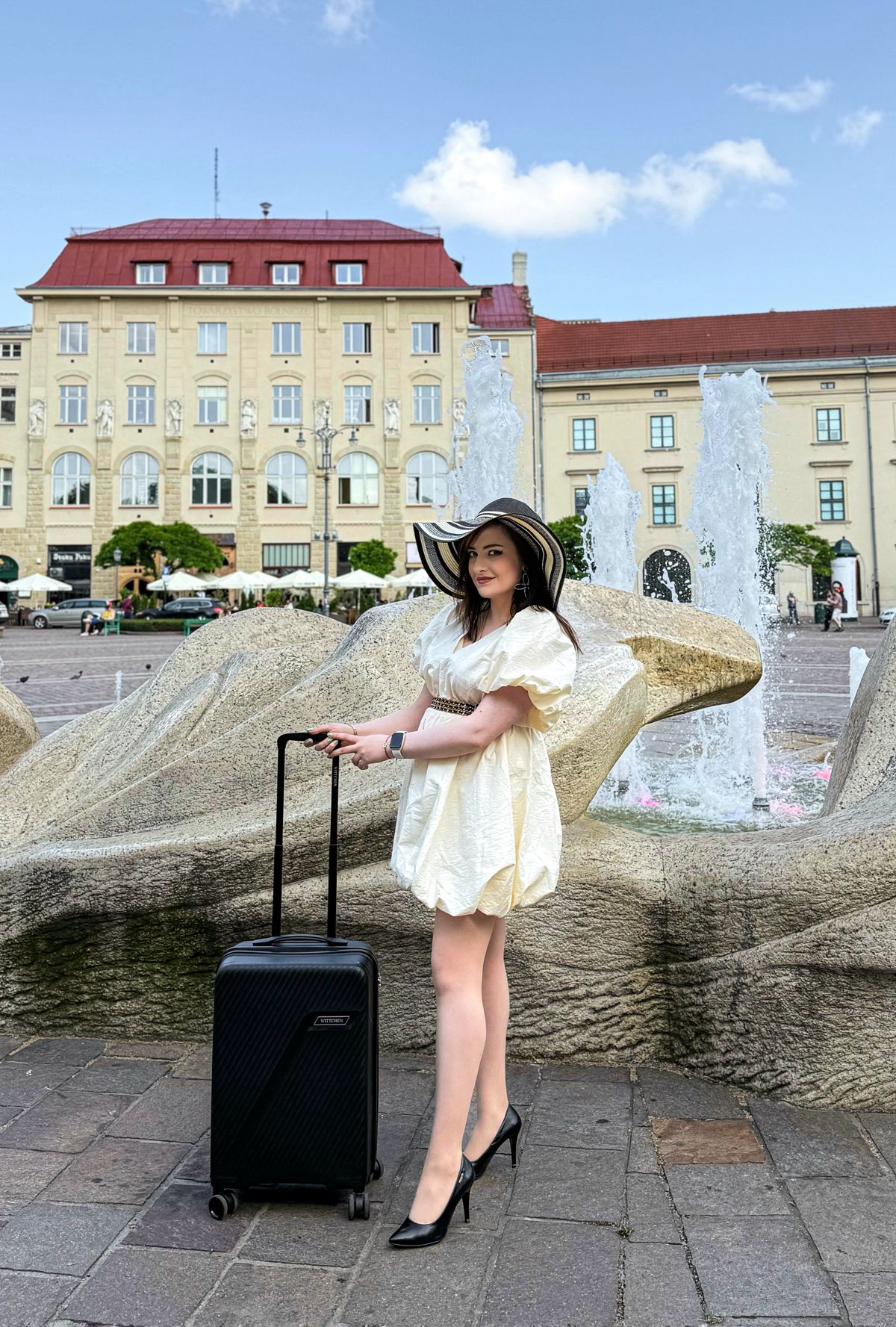
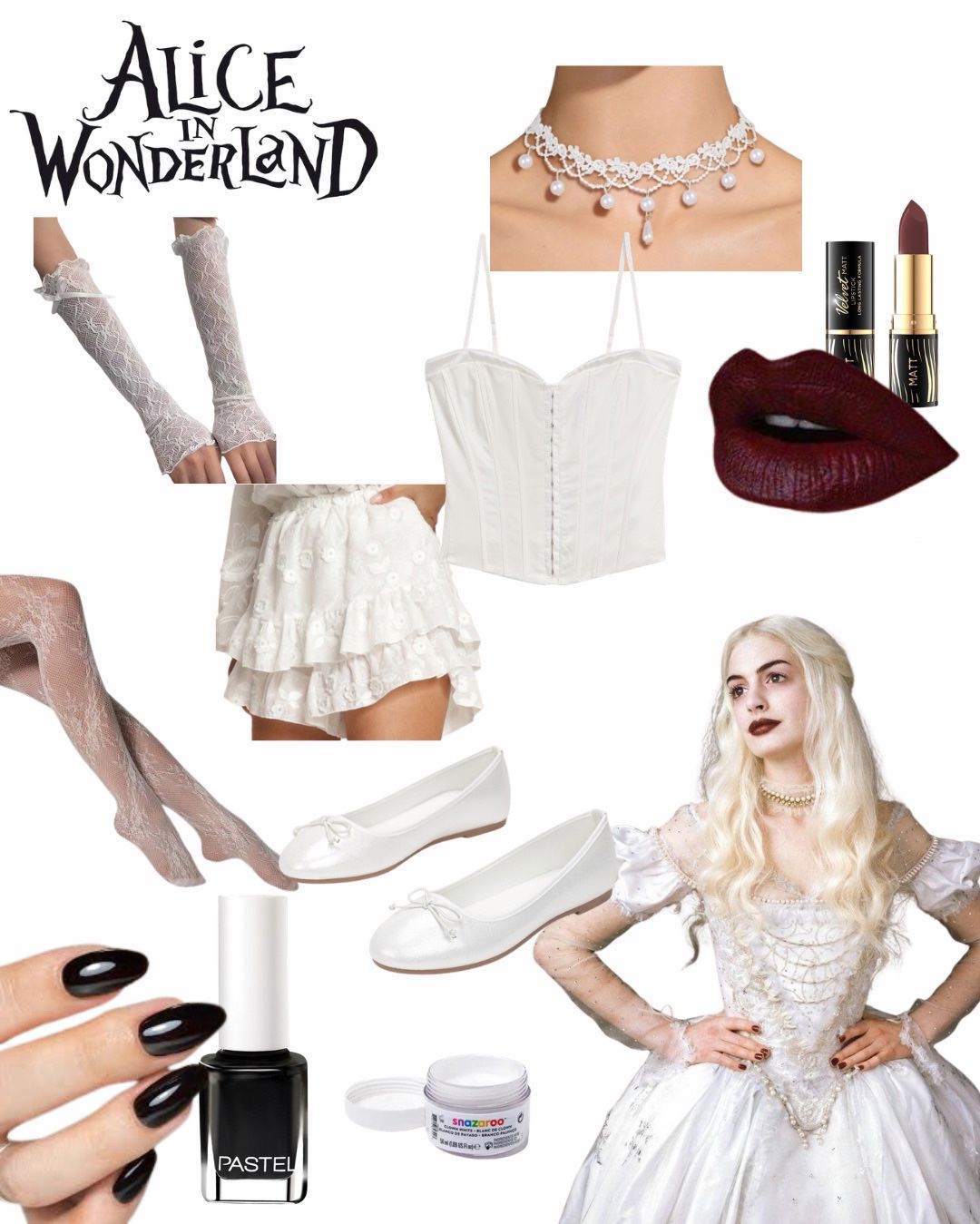
Biała Królowa
@Paula
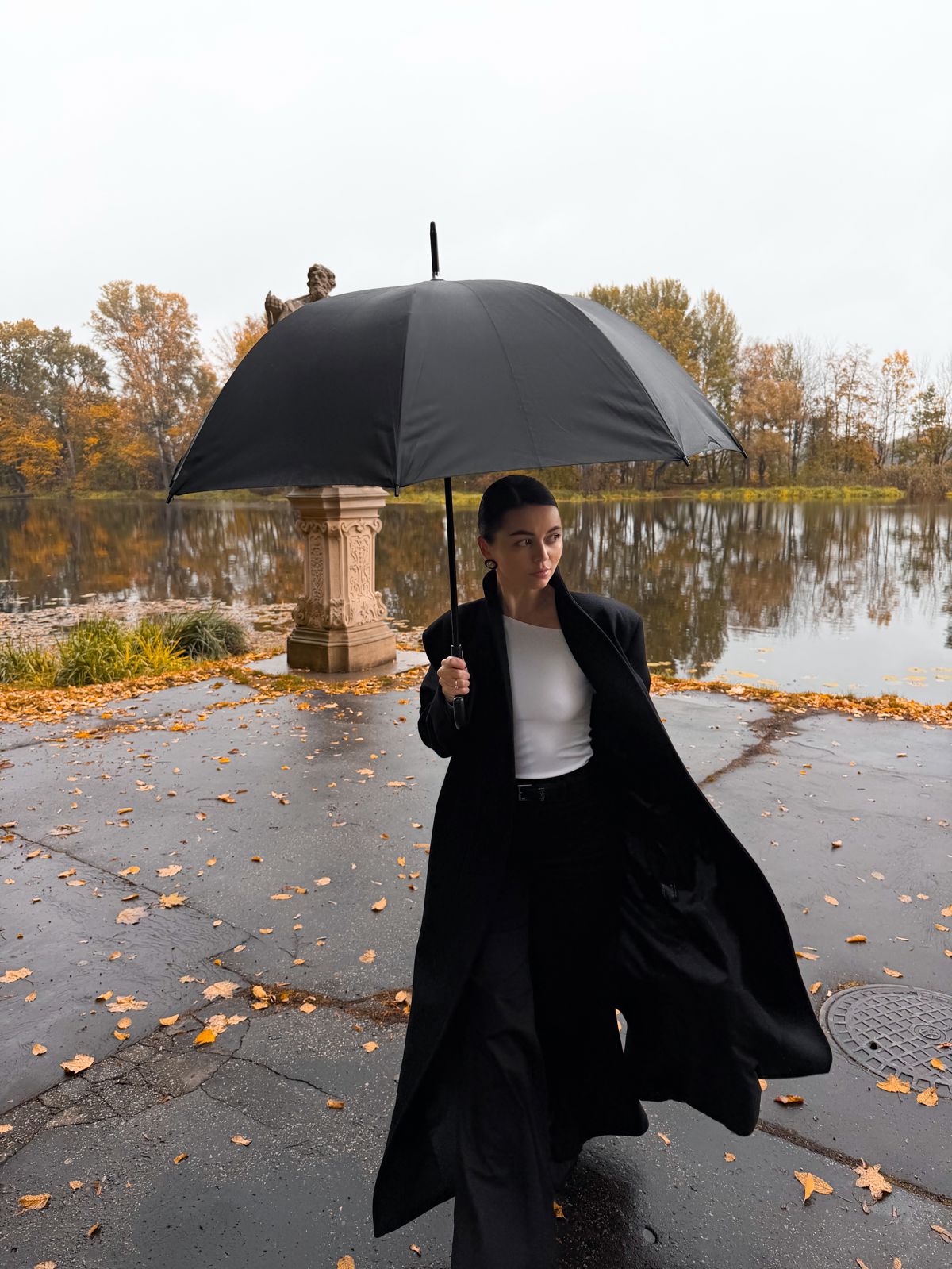
Jesienna elegancja w klasycznym wydaniu 🍂
@ivankaillina
Take inspiration without copying the whole look
When looking at someone else’s outfit, do not focus only on the exact products.
Try to notice the idea behind the look: the proportions, color combination, layering, mix of sporty and elegant pieces or one distinctive accessory. Then recreate that idea using clothes you already own.
That is why one inspiration can lead to many completely different outfits.
Frequently asked questions
Start with one piece you genuinely want to wear that day - jeans, a dress, a blazer or a particular pair of shoes. Let that item become your starting point, then choose the rest of the outfit around its proportions, color and overall feel.
A few shades are often the easiest place to start: a neutral base and one stronger color. If the outfit feels disconnected, repeat one color in an accessory such as your shoes, bag or jewelry. Contrast can also be a deliberate choice.
No. It is a styling option, not a rule. Oversized pieces can work together too if you like the effect. Try a few versions and pay attention to lengths, the waistline and where the layers end.
Explore outfits
- Outfits Casual View outfits
- Outfits Elegant View outfits
- Outfits Streetwear View outfits
- Outfits Minimalist View outfits
- Outfits Travel View outfits
- Outfits Sporty View outfits
- Outfits Winter View outfits
- Outfits Summer View outfits
- Outfits With friends View outfits
- Outfits University View outfits
- Outfits Date View outfits
- Outfits Wedding guest View outfits
- Outfits For work View outfits
- Outfits Party View outfits
More guides
All guides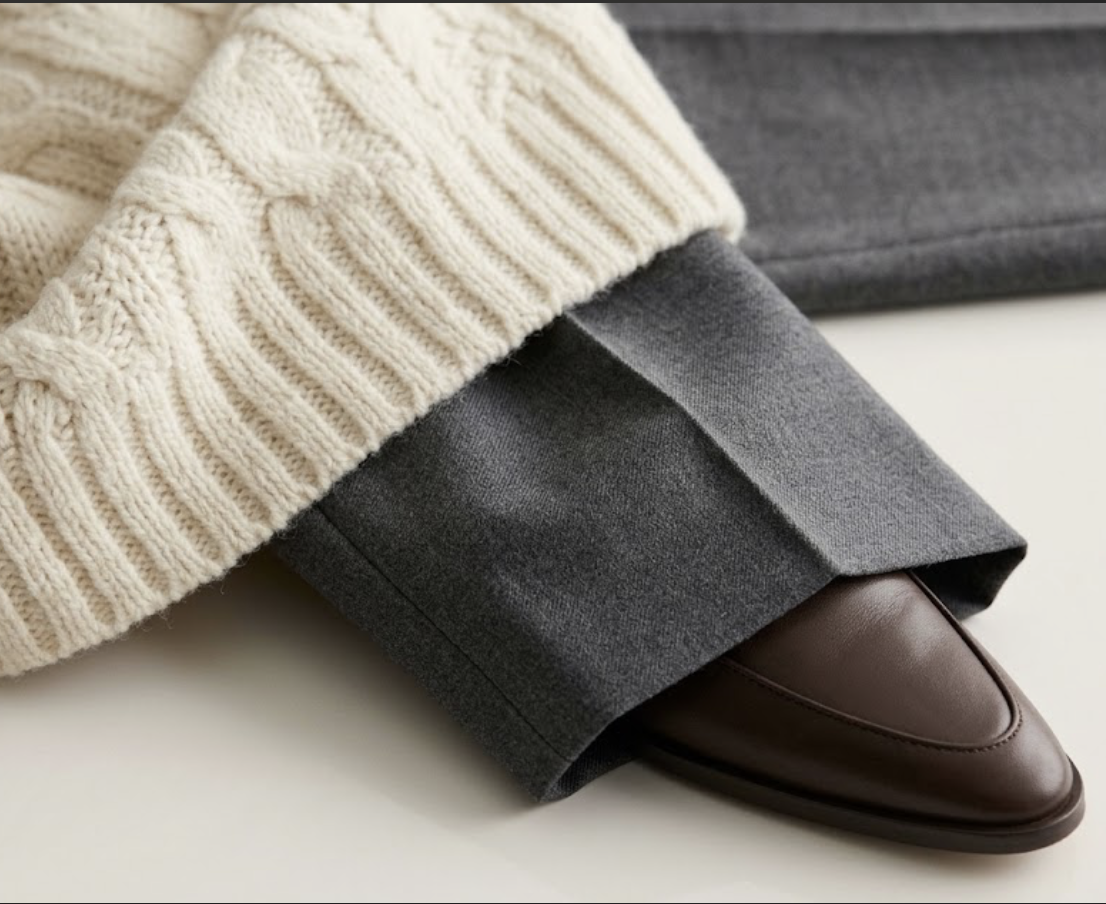
Guide
How to balance proportions in an outfit
Combine lengths, silhouettes and layers in your own way - without rigid rules about body shape.
Read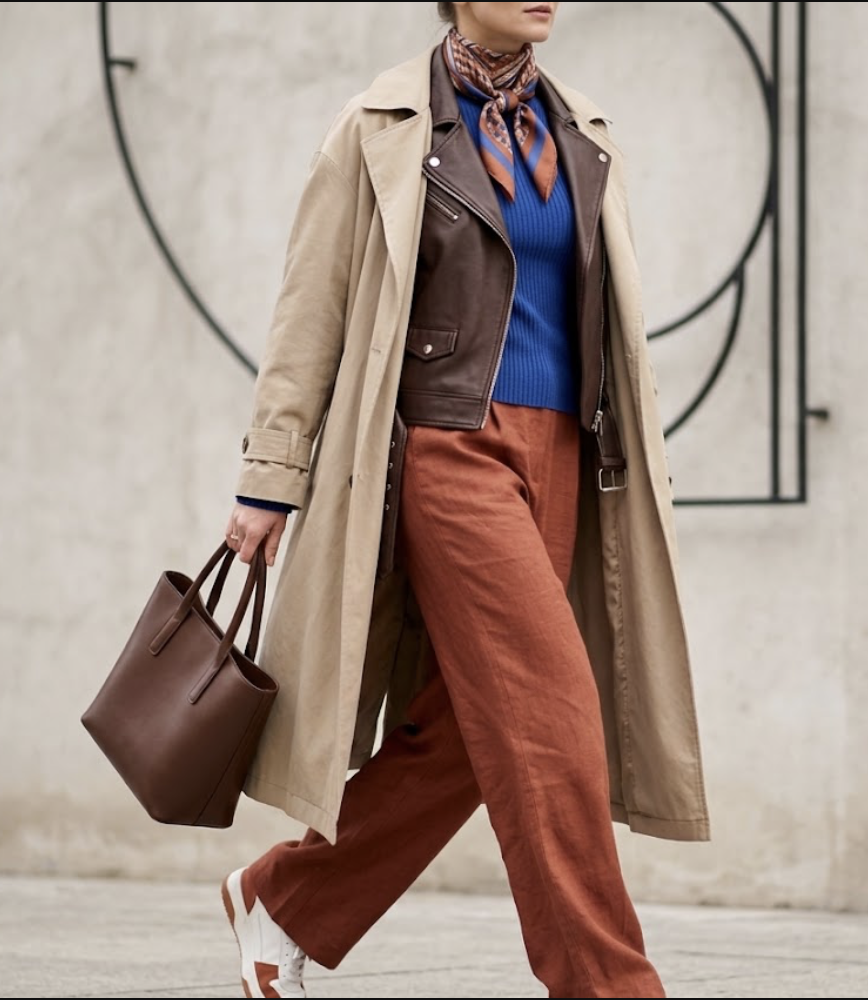
Guide
How to combine colors in an outfit
Combine neutrals and stronger colors, build palettes and use color as an accent.
Read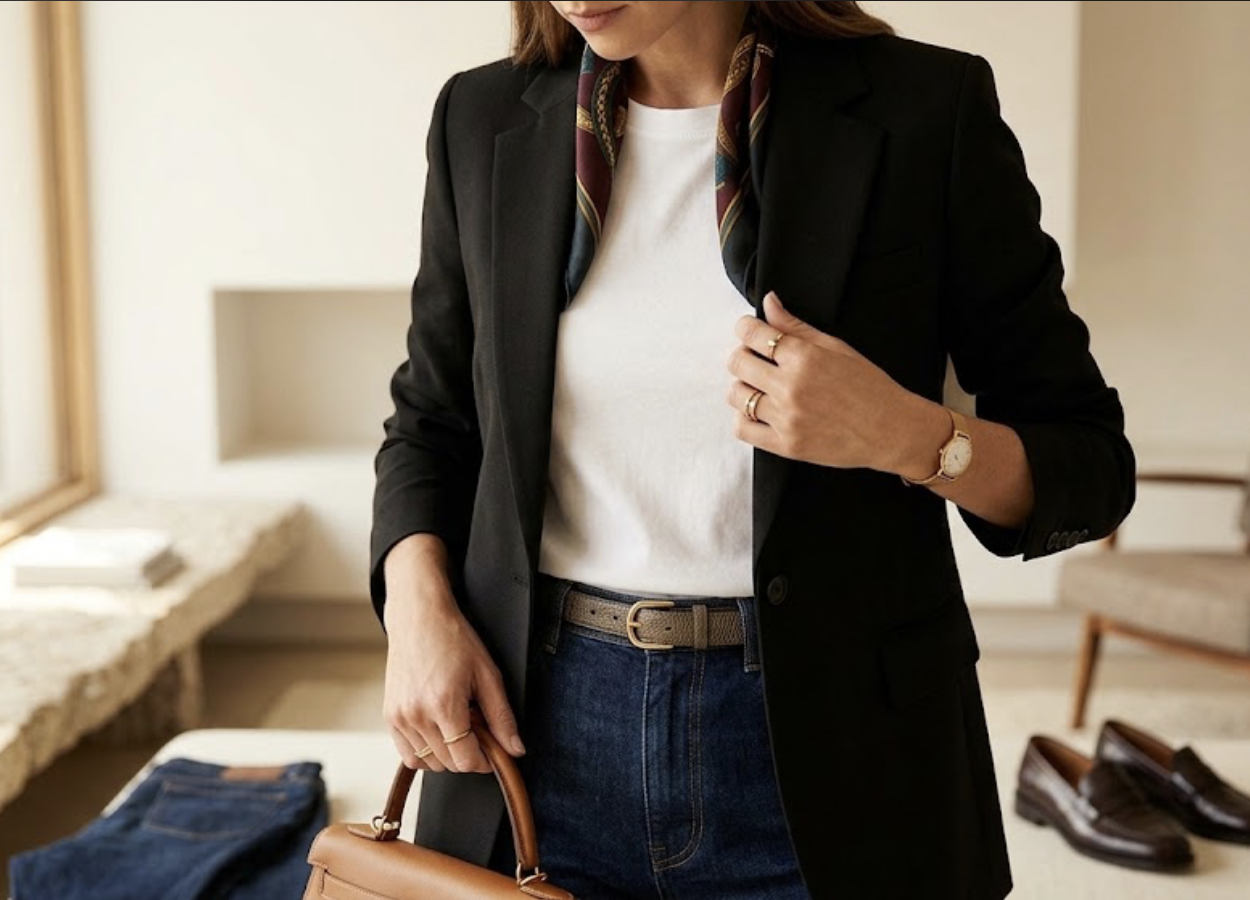
Guide
How to make a simple outfit look more polished?
Refine the base, proportions, layers, shoes and accessories using what you already own.
Read



Find more outfits like these in the app
Download Insply, save your favorite outfits to collections and explore every tagged product, including its price and store link.