
How to balance proportions in an outfit
Two outfits made from very similar clothes can look completely different simply because the top is a different length, the trousers are wider or the layers fall differently. Proportions are not about correcting your body - they help you intentionally create an effect you like.
In this guide
- Start with the biggest element
- Loose does not always need fitted next to it
- Pay attention to where the top ends
- Trouser length and shoes work together
- Layers create additional lines
- Use color to influence proportions
- Do not correct your body - create the effect you like
- Try a simple test before you leave
- See how other people use proportions
Start with the biggest element
It is often easier to understand the proportions of an outfit when you first choose the piece that has the biggest impact on its overall shape. That could be wide-leg jeans, a long skirt, an oversized blazer, a roomy hoodie or a long dress.
If you start with wide trousers, try them with tops of different lengths. A cropped top creates a different effect from a long shirt, while a T-shirt tucked into the waistband changes the proportions again. Do not assume that only one version is correct - try a few and choose the one that best suits the look you want.
Wide silhouettes, longer lines and oversized pieces - different starting points for an outfit.
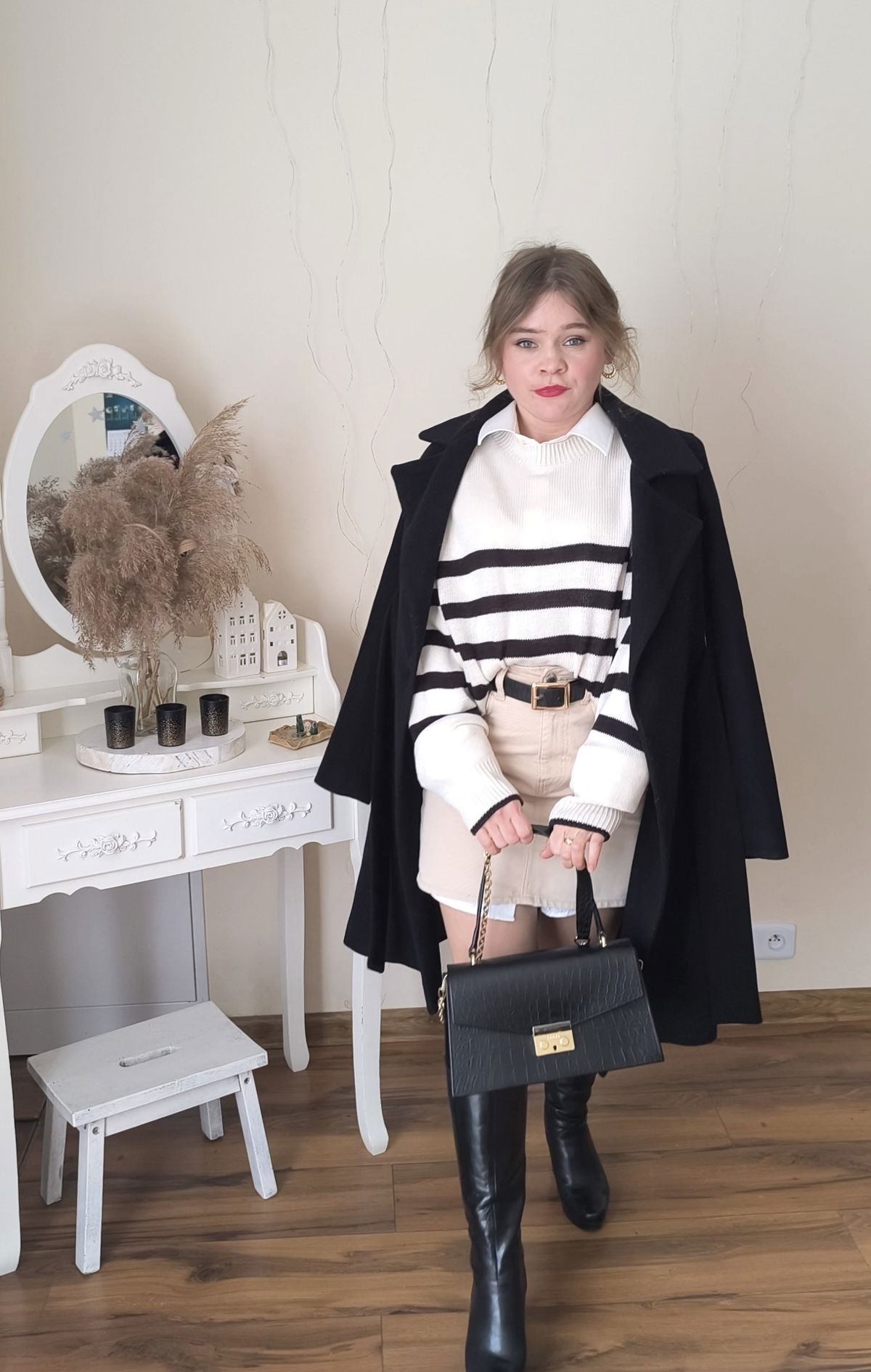
Insomniaa92
@insomniaa92
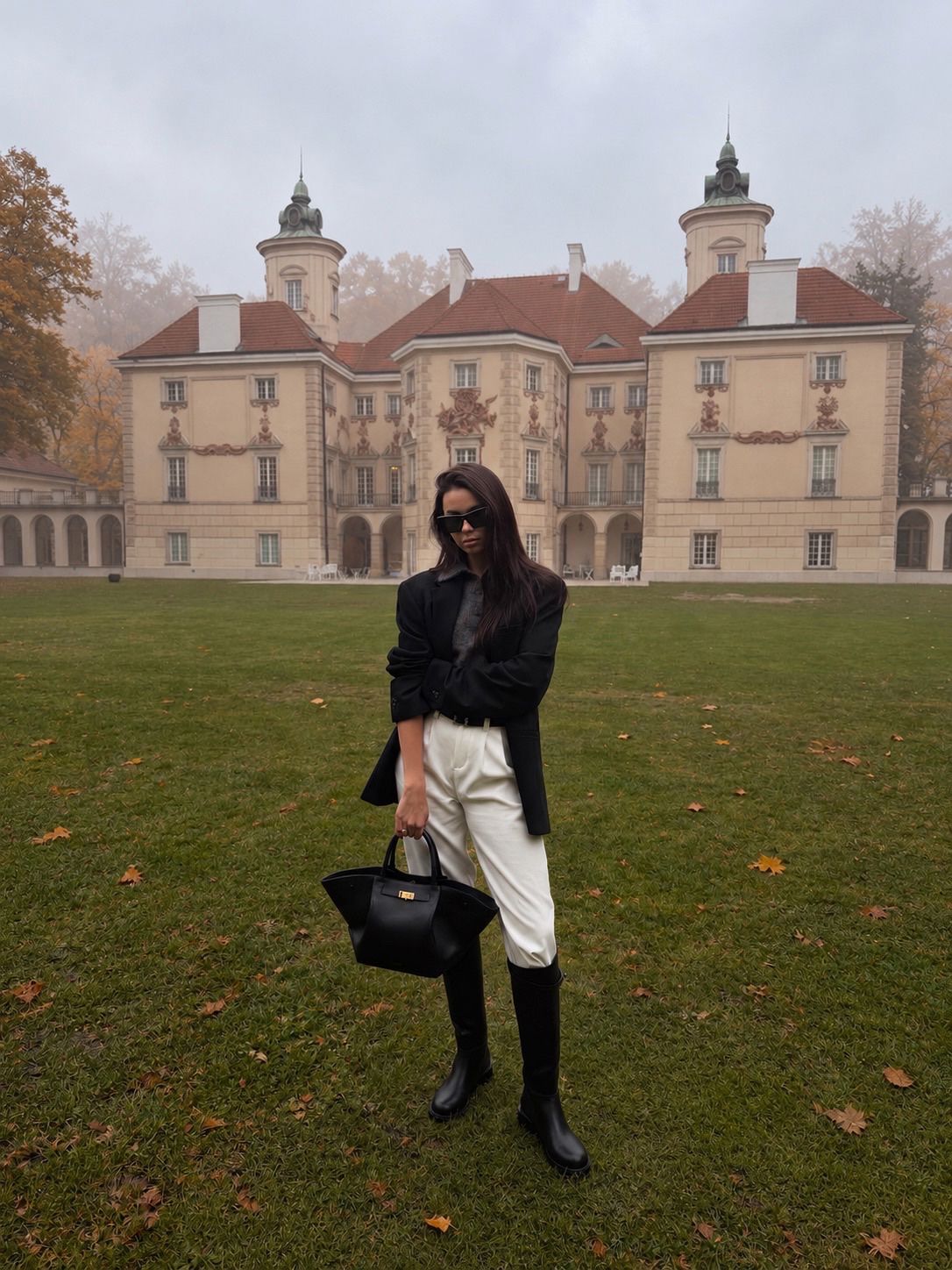
Klasyka na jesień
@ivankaillina
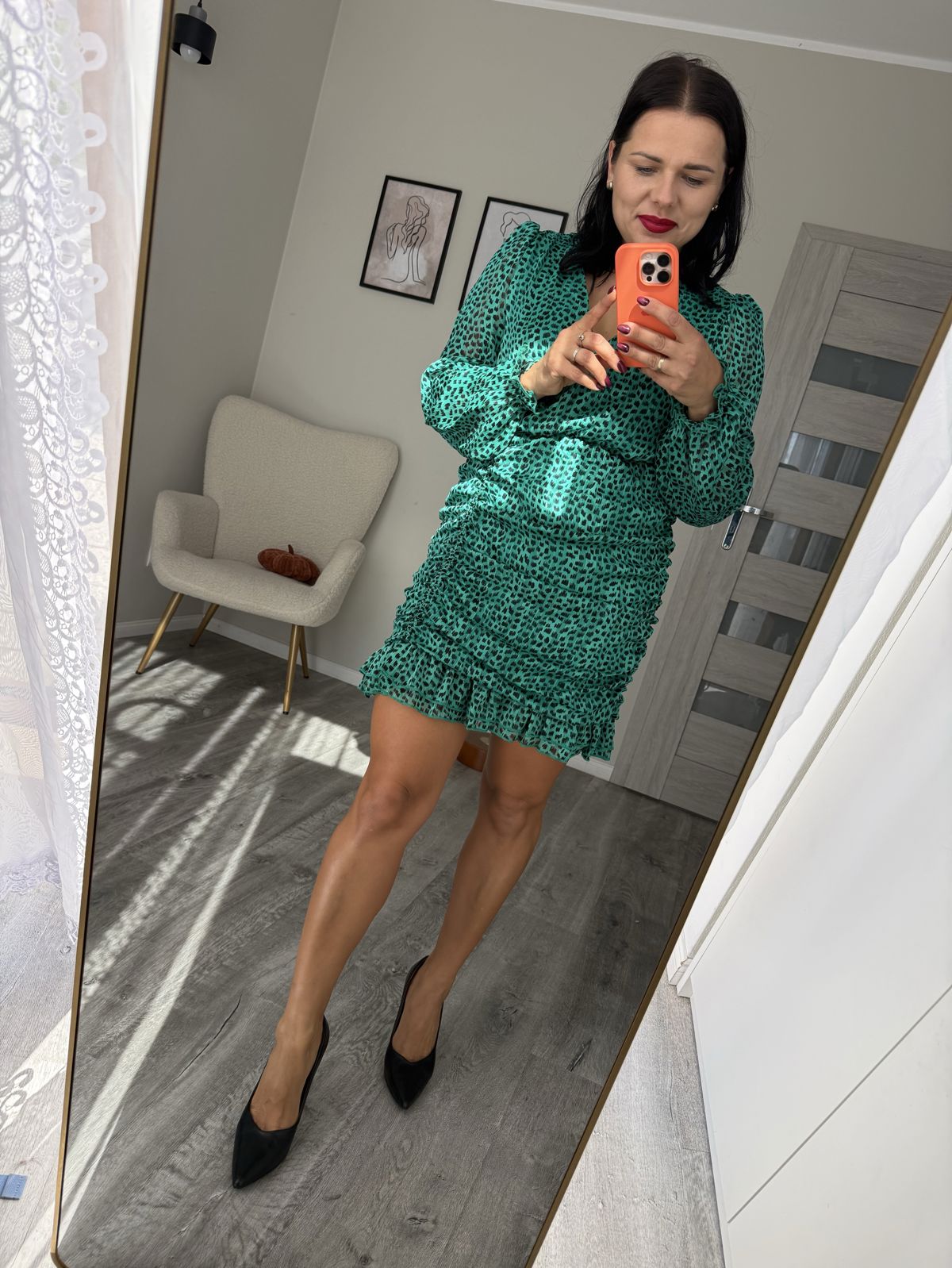
Stylizacja na wyjście
@sabina.stylizuje
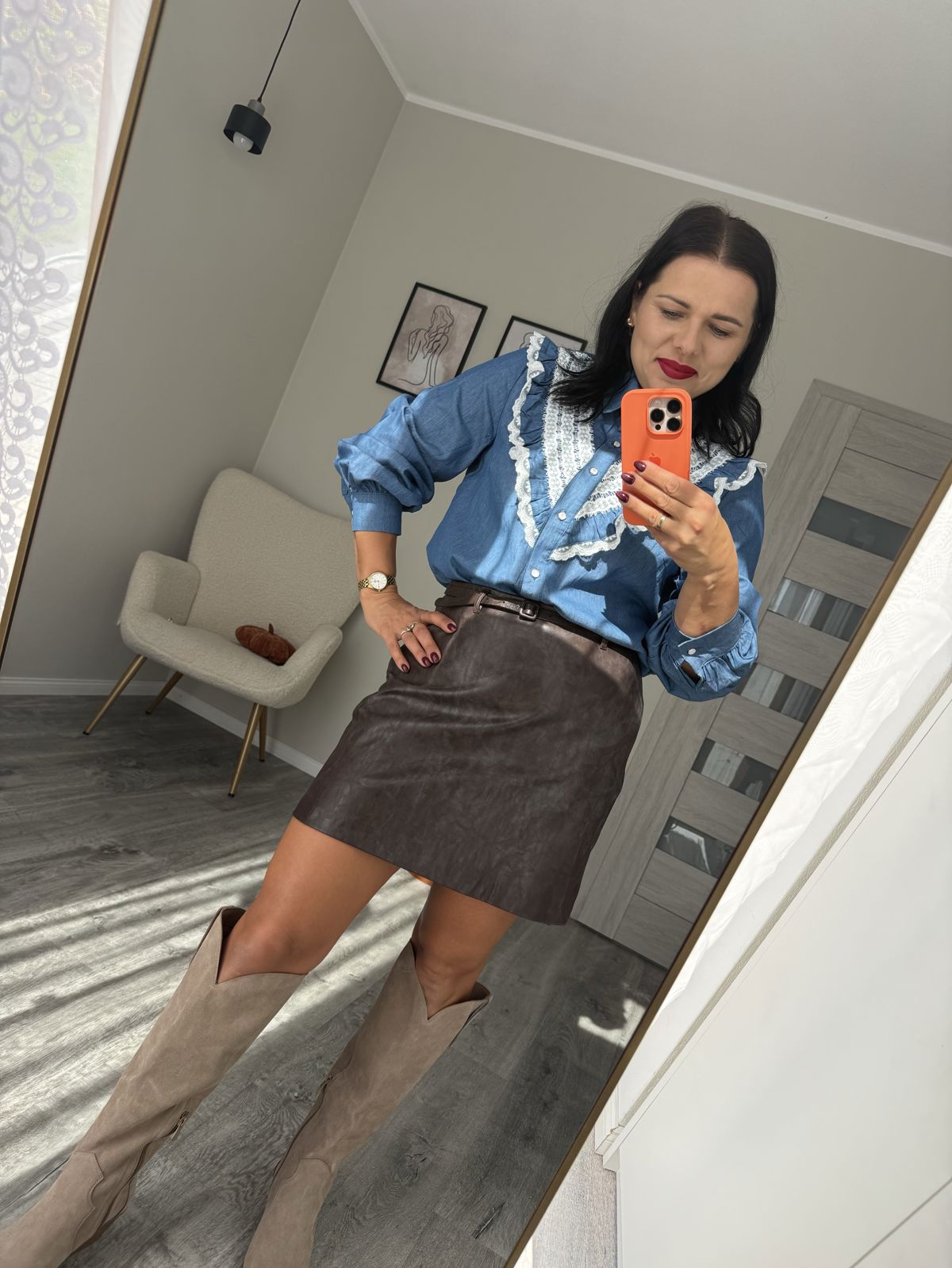
Stylizacja na spotkanie
@sabina.stylizuje
Loose does not always need fitted next to it
One of the most common styling rules says that a loose bottom should always be balanced with a fitted top, and an oversized top with a slimmer bottom. That can be a useful starting point, but it does not have to become a rule.
Wide trousers can look great with a fitted top, but they can also work with an oversized shirt or relaxed blazer. Oversized pieces from head to toe can be an intentional part of a streetwear or minimalist look. When you use several loose pieces at once, simply pay more attention to lengths, layers and where each garment ends.
Pay attention to where the top ends
The length of your top can have a major effect on the entire outfit. The same T-shirt can look different worn loose, partially tucked into trousers or fully tucked into the waistband. A blazer that ends around the waist also creates very different proportions from one that falls below the hips.
You do not necessarily need to buy a different cut. First try changing the way you wear what you already own: fold up the bottom of a sweater, open a shirt, define the waist with a belt or leave a layer completely loose. Sometimes a few centimeters make a bigger difference than a new item.
Trouser length and shoes work together
Proportions do not stop with clothing - shoes matter too. Wide trousers look different with chunky sneakers, loafers or heels. Not only does the overall style change, but the way the trouser leg falls changes as well.
With longer trousers, notice where the hem sits in relation to the shoe. Cropped styles reveal more of the footwear, while longer trousers can create a more continuous line through the outfit. The same applies to skirts and dresses - switching ankle boots for sneakers can change the way the same length feels.
Different shoes change the line of the trousers and the feel of the entire outfit.
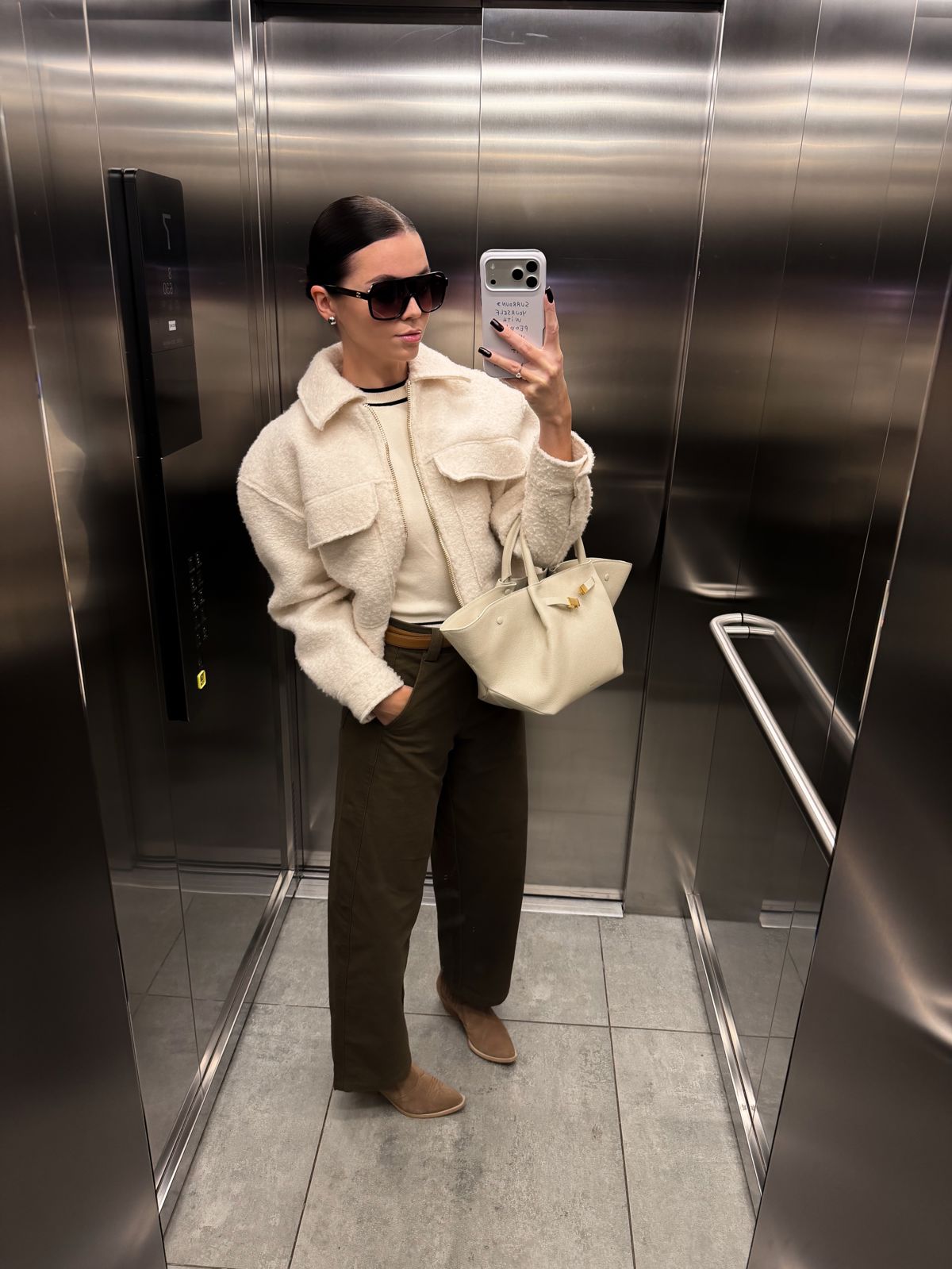
idealny duet na jesień 🤎
@ivankaillina
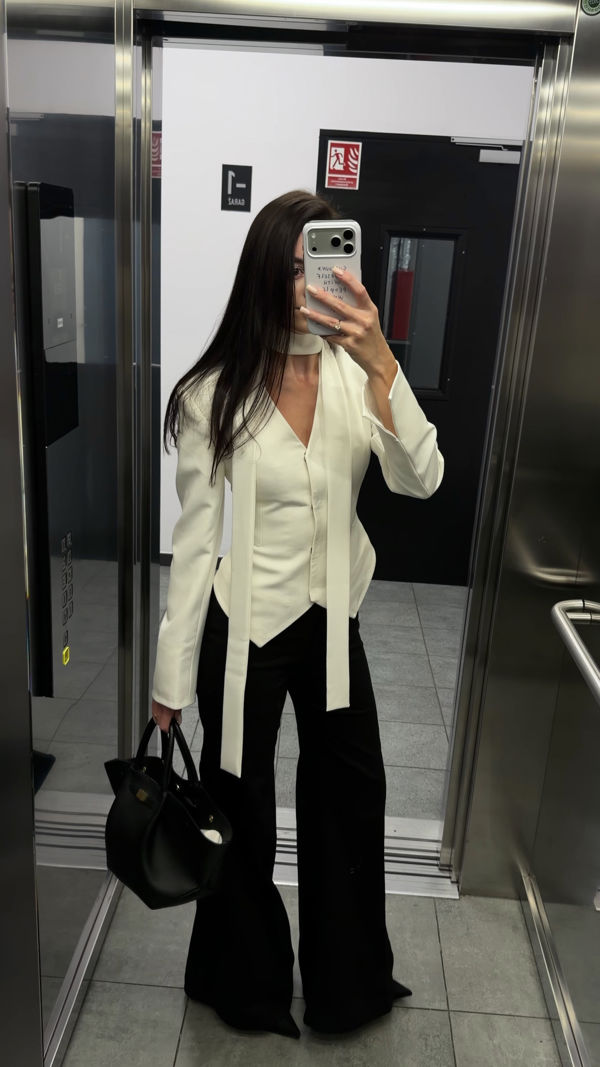
Elegancki look
@ivankaillina
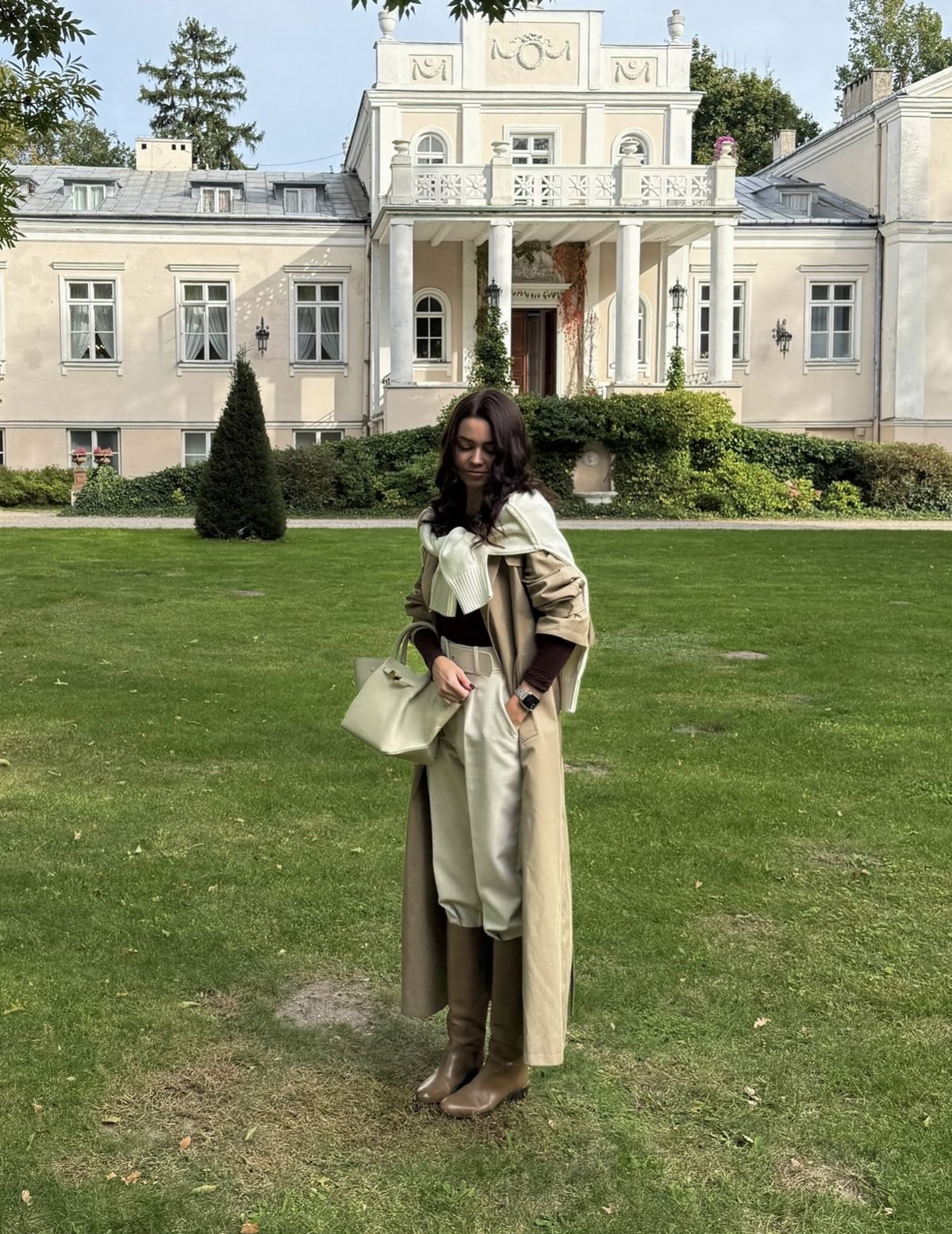
jesienny look z trenczem 🤎
@ivankaillina
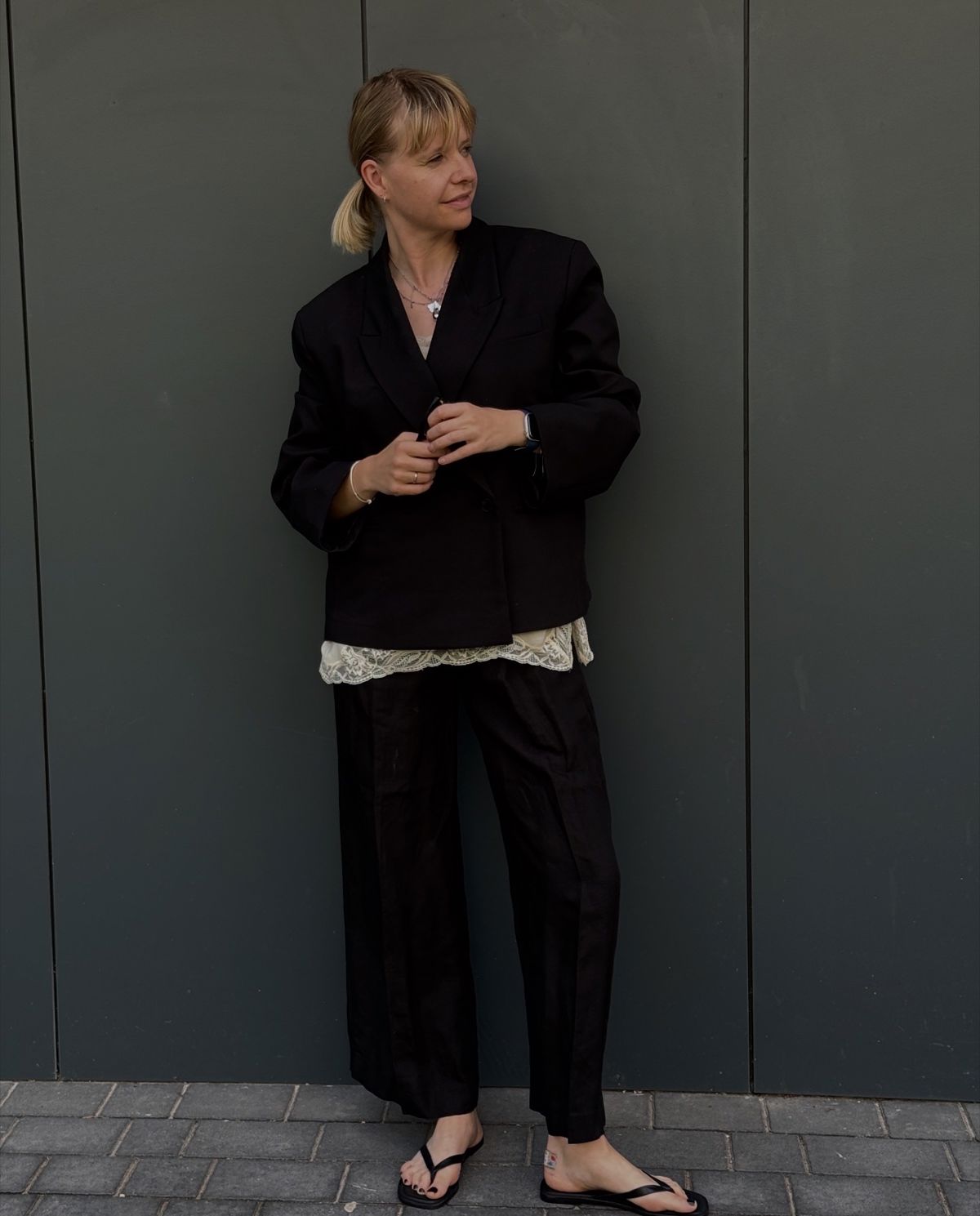
Garnitur inaczej
@led
Layers create additional lines
When you add a blazer, shirt, cardigan, jacket or coat, you introduce another length into the outfit. A shorter top underneath a longer blazer creates a different effect from a long shirt extending below a cropped jacket.
An open outer layer can divide the outfit vertically and change the way its proportions feel. If your outfit looks too heavy or busy, try it without one layer or with a different length before replacing the clothes themselves.
Use color to influence proportions
Proportions are not created by shape alone. Color can visually divide an outfit or connect different elements. A top and bottom in similar shades can create a more continuous look, while a stronger contrast makes the point where they meet much more visible.
If the silhouettes already create strong proportions, a calmer palette can bring the look together. If the shapes are simple, a contrasting color can become another point of interest. You do not have to wear monochrome or avoid strong contrasts.
Do not correct your body - create the effect you like
Advice about proportions often turns into rules such as “make your legs look longer,” “hide your hips” or “create a slimmer silhouette.” You do not have to approach clothes that way.
Oversized silhouettes can make an outfit feel more streetwear-inspired. A shorter top with a wider bottom can create a stronger contrast between shapes. Longer layers can give the outfit a calmer, more minimalist line. These are styling tools, not rules about how your body is supposed to look.
Try a simple test before you leave
When your outfit feels almost finished, look at it as a whole. Take a step back from the mirror or take a quick photo. It can make it easier to notice whether one layer feels too long or whether different shoes would connect the outfit better.
Then try one alternative. If your top is loose, try partially tucking it in. If you are wearing a long blazer, compare it with a shorter jacket. You are not searching for the one “correct” version - you are choosing the one you like most.
See how other people use proportions
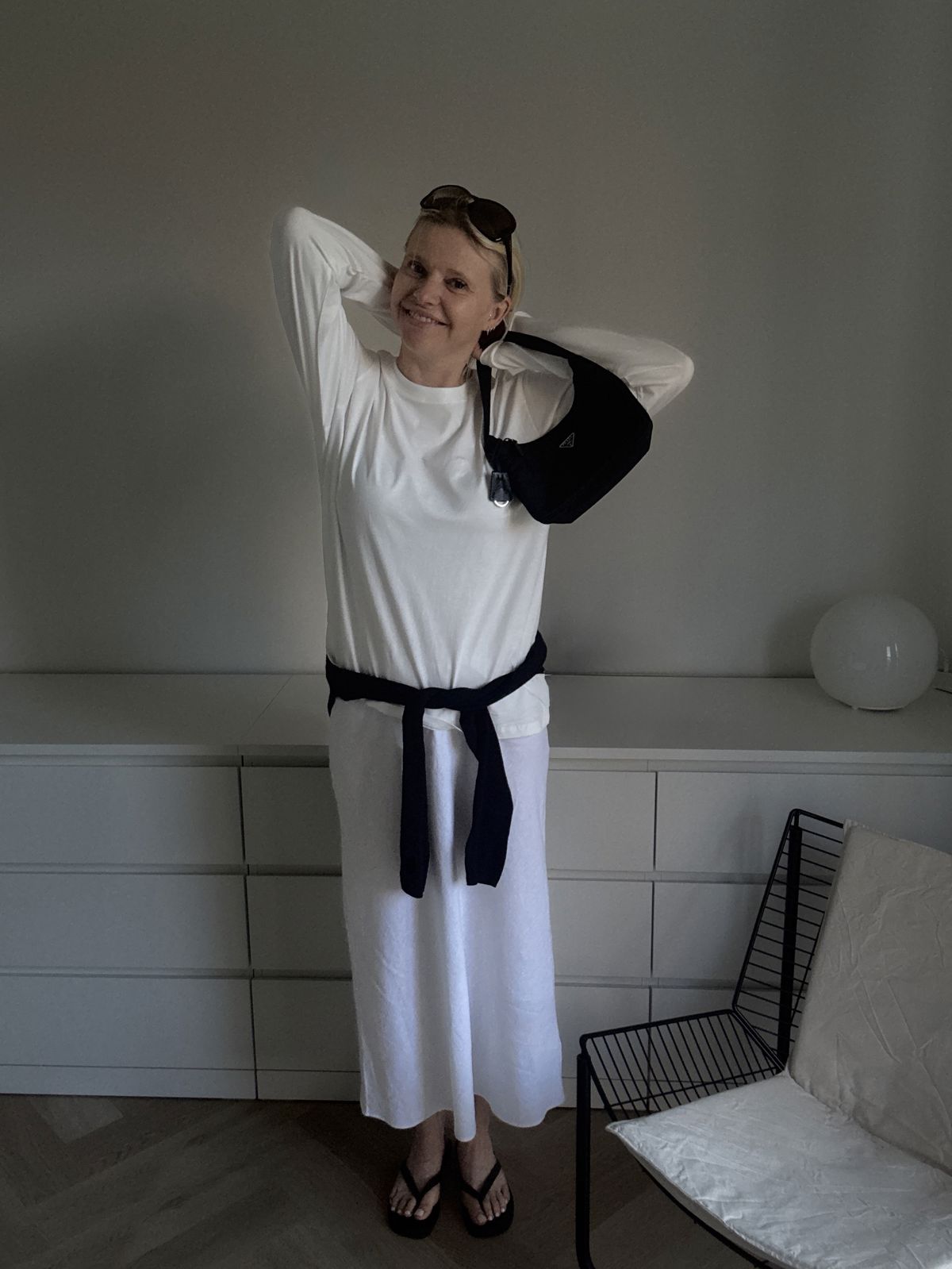
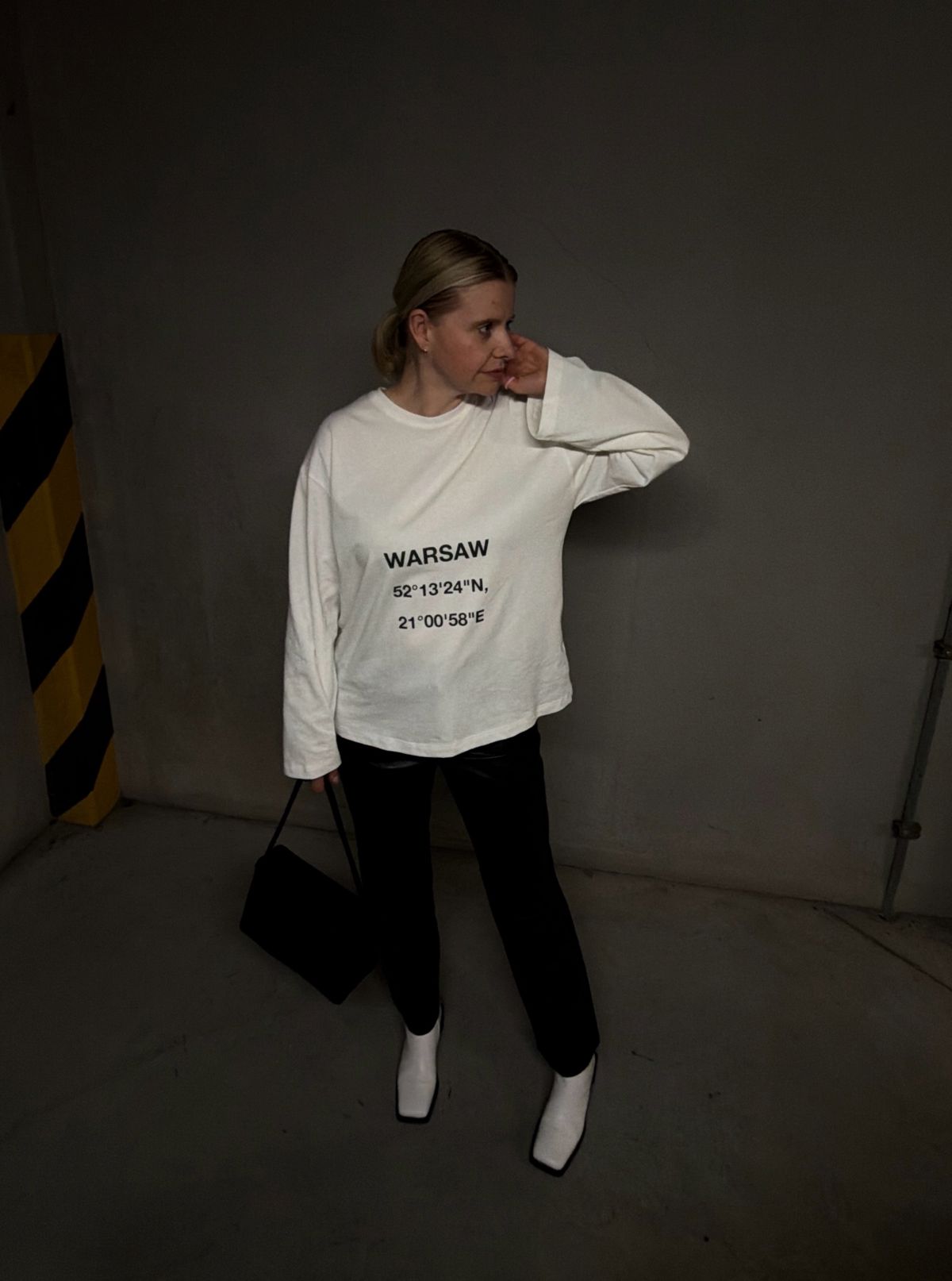
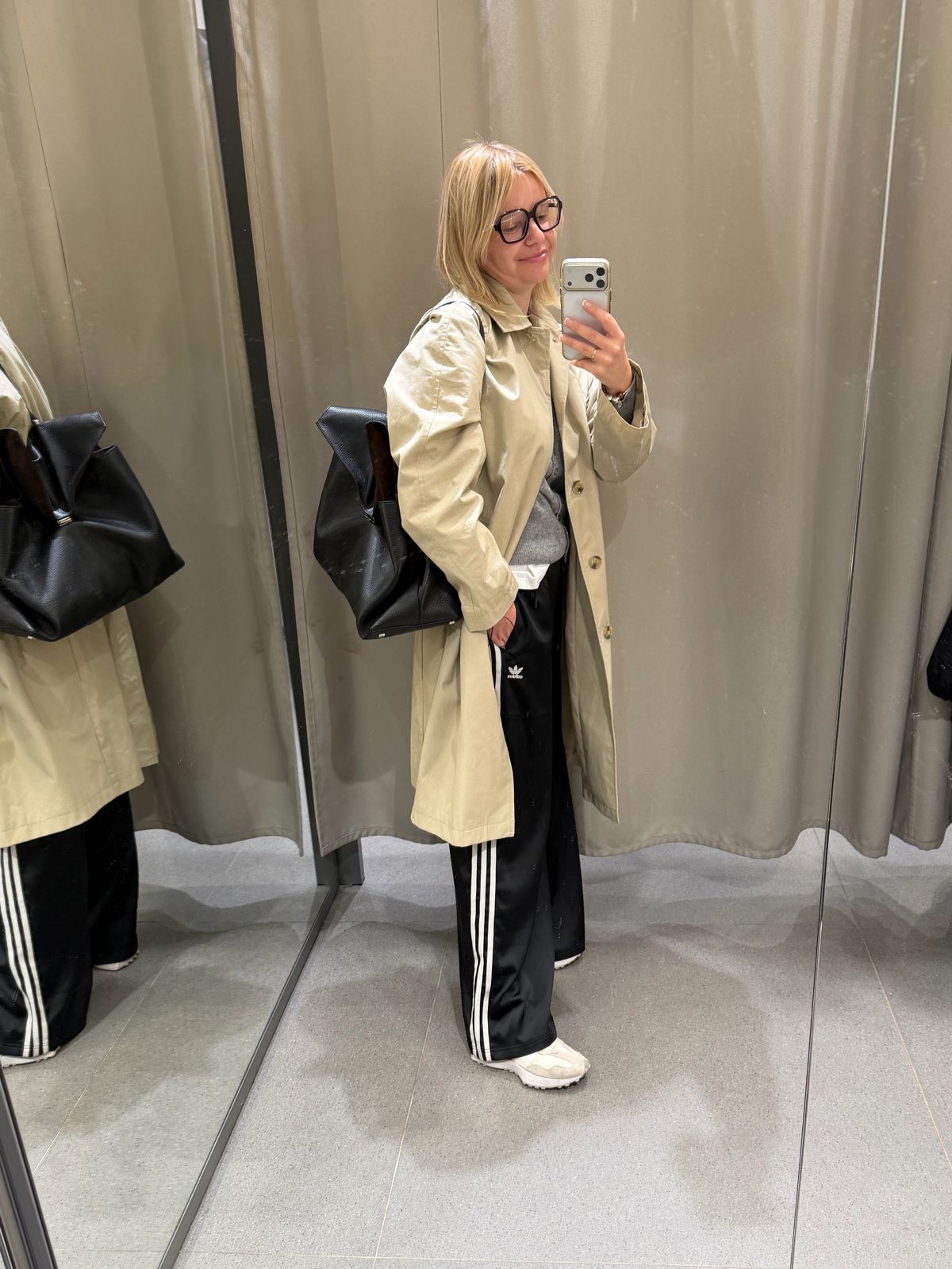
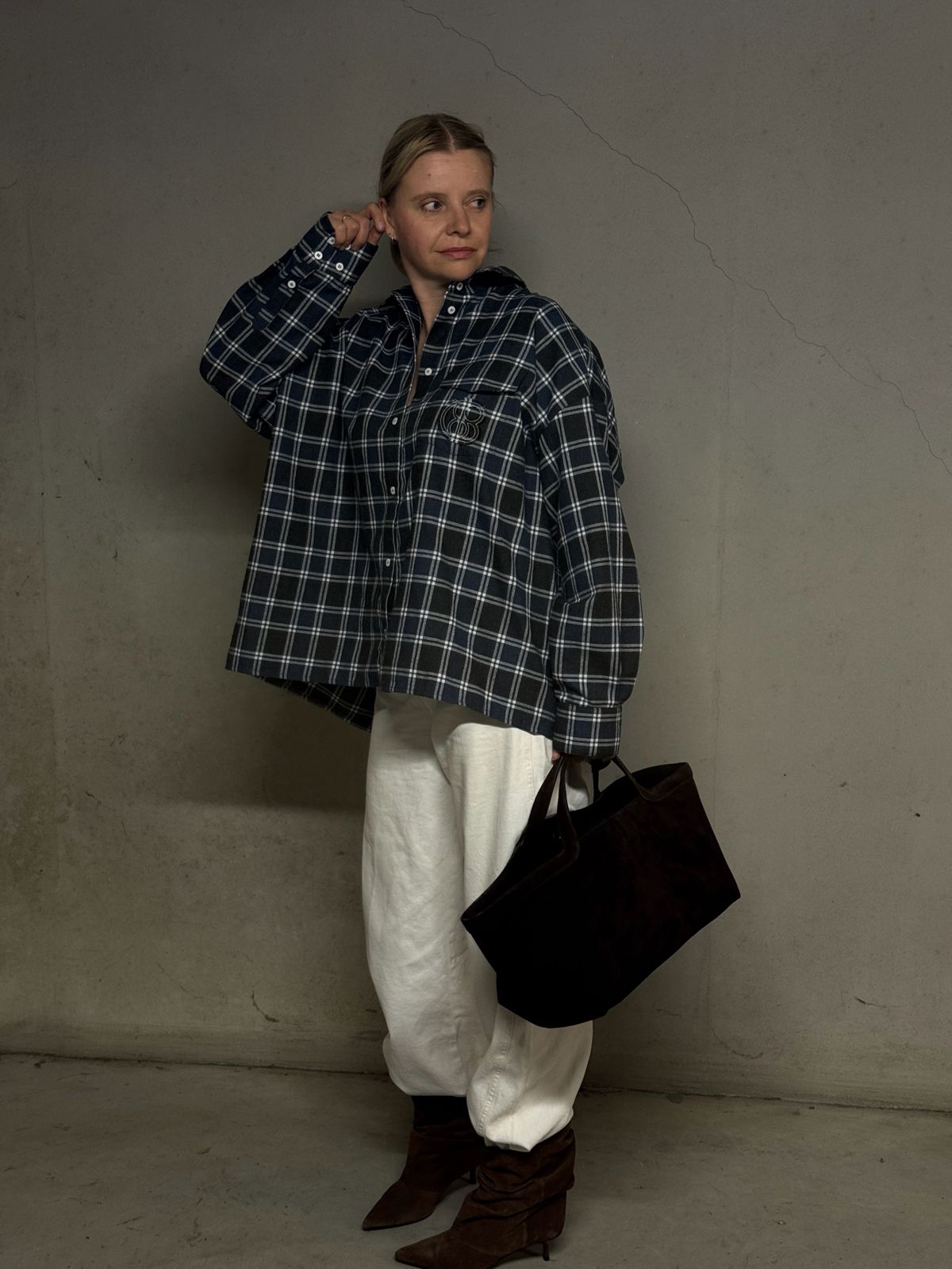
One of the easiest ways to understand proportions is to look at different ways of styling similar pieces. Notice how other people wear wide trousers, oversized blazers, cropped jackets or long skirts.
Instead of copying the whole outfit, take one idea - a length, a layer or a combination of silhouettes - and try it with your own wardrobe.
Different ways the Insply community uses proportions in real outfits.
Frequently asked questions
Proportions are the relationships between the lengths, widths, layers and colors of the individual pieces in an outfit. They help you intentionally create an effect you like rather than trying to fit one body-shape ideal.
No. That is just one option. Wide trousers can work with a fitted top, an oversized shirt or a relaxed blazer. Compare the lengths and layers, then choose the effect that works best for the outfit.
Shoes change both the line of the trouser leg and the overall feel of the outfit. With longer trousers, notice where the hem falls in relation to the shoe, because sneakers, loafers and heels can create very different effects.
Step back from the mirror or take a quick photo of the full outfit. Compare one alternative, such as a loose top versus a partially tucked one, or sneakers versus loafers. It makes it easier to choose the version you genuinely prefer.
Explore outfits
- Outfits Casual View outfits
- Outfits Elegant View outfits
- Outfits Streetwear View outfits
- Outfits Minimalist View outfits
- Outfits Travel View outfits
- Outfits Sporty View outfits
- Outfits Winter View outfits
- Outfits Summer View outfits
- Outfits With friends View outfits
- Outfits University View outfits
- Outfits Date View outfits
- Outfits Wedding guest View outfits
- Outfits For work View outfits
- Outfits Party View outfits
More guides
All guides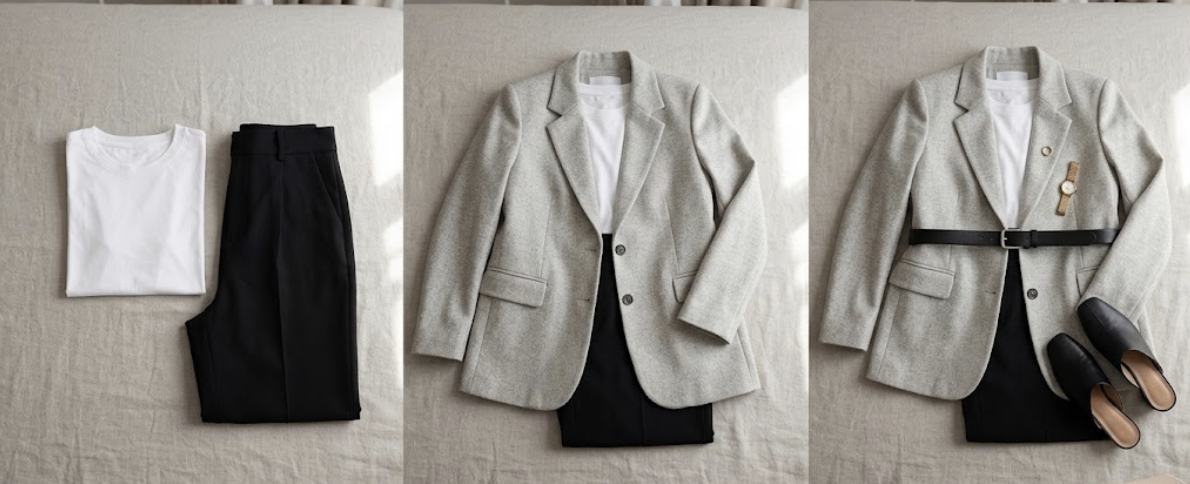
Guide
How to build an outfit step by step
Build your outfit gradually: start with one piece, then work through silhouettes and colors before finishing with shoes and accessories.
Read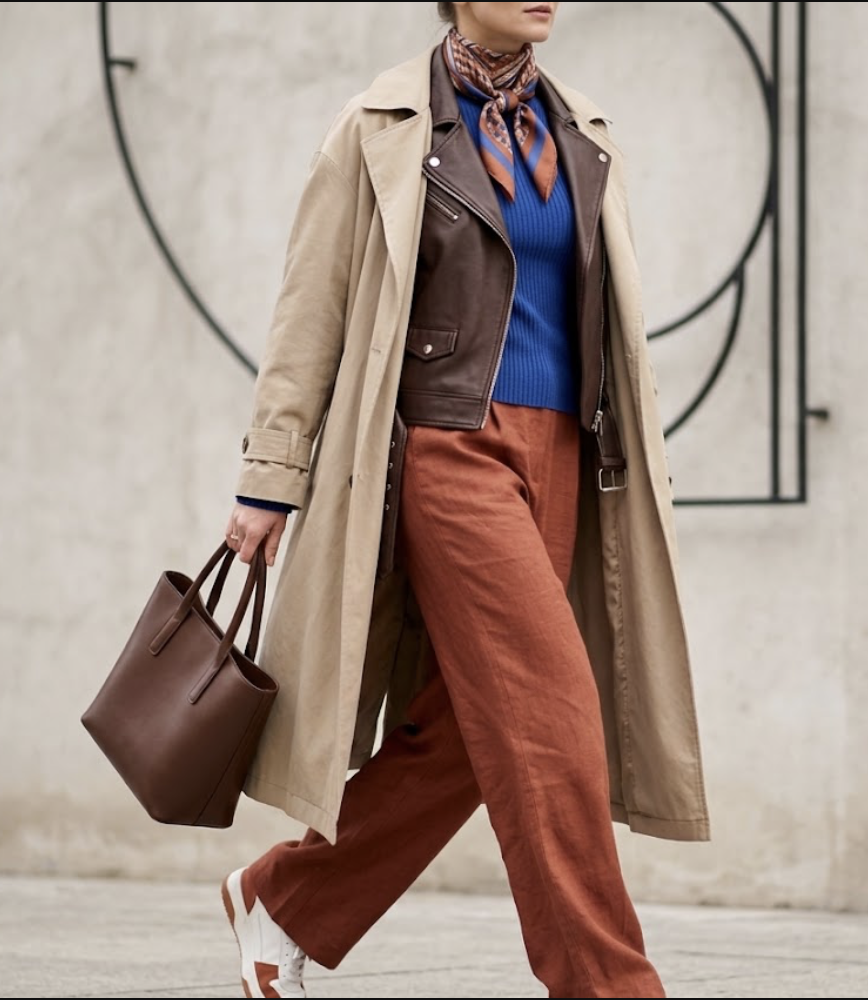
Guide
How to combine colors in an outfit
Combine neutrals and stronger colors, build palettes and use color as an accent.
Read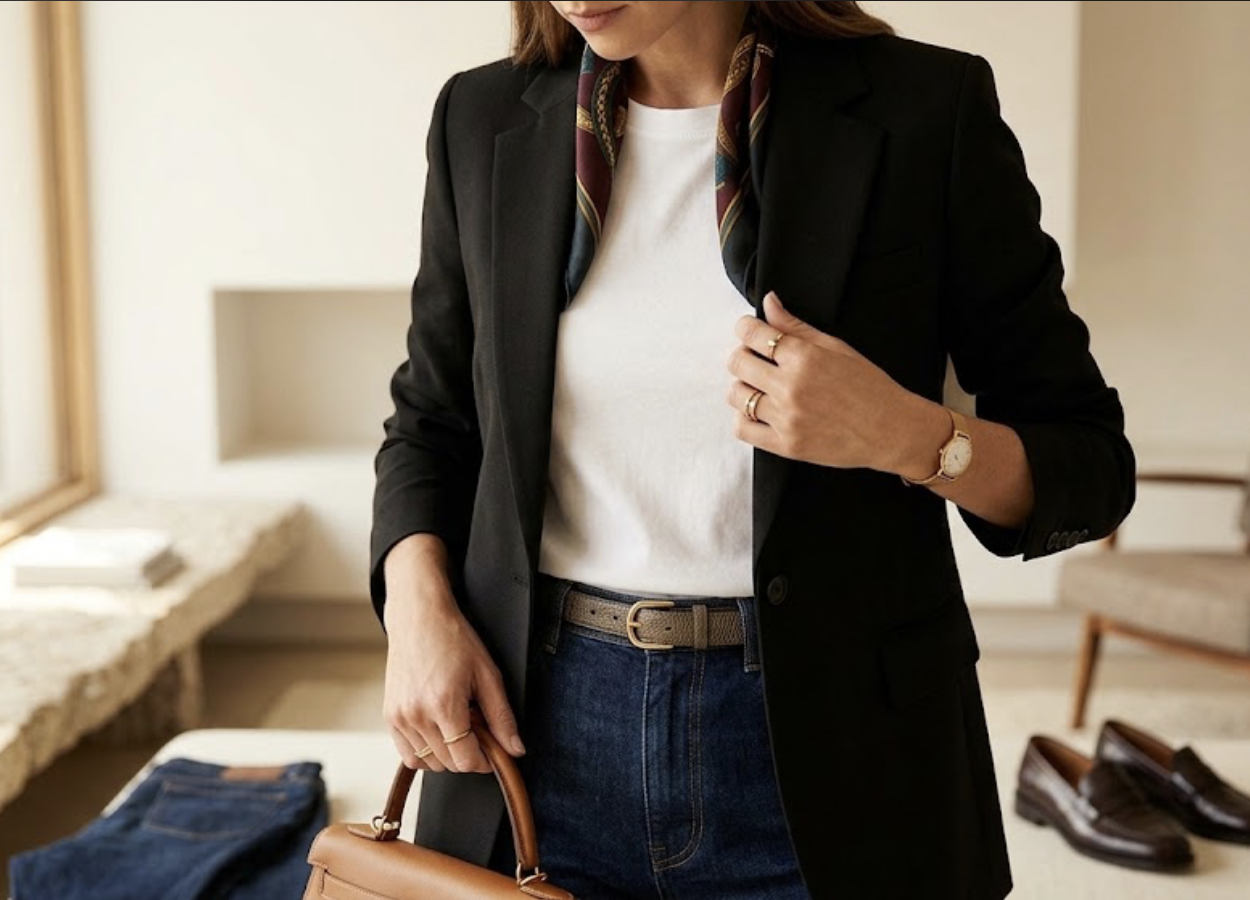
Guide
How to make a simple outfit look more polished?
Refine the base, proportions, layers, shoes and accessories using what you already own.
Read

Find more outfits like these in the app
Download Insply, save your favorite outfits to collections and explore every tagged product, including its price and store link.